In a world driven by fast communication, people often struggle to express complex emotions and personal experiences accurately.
The concept of Humanilex offers a fresh way to understand how individuals develop a unique vocabulary for describing feelings, relationships, and inner thoughts.
By expanding this personal language, people can improve self-awareness, strengthen communication, and build deeper connections with others.
What Is Humanilex?
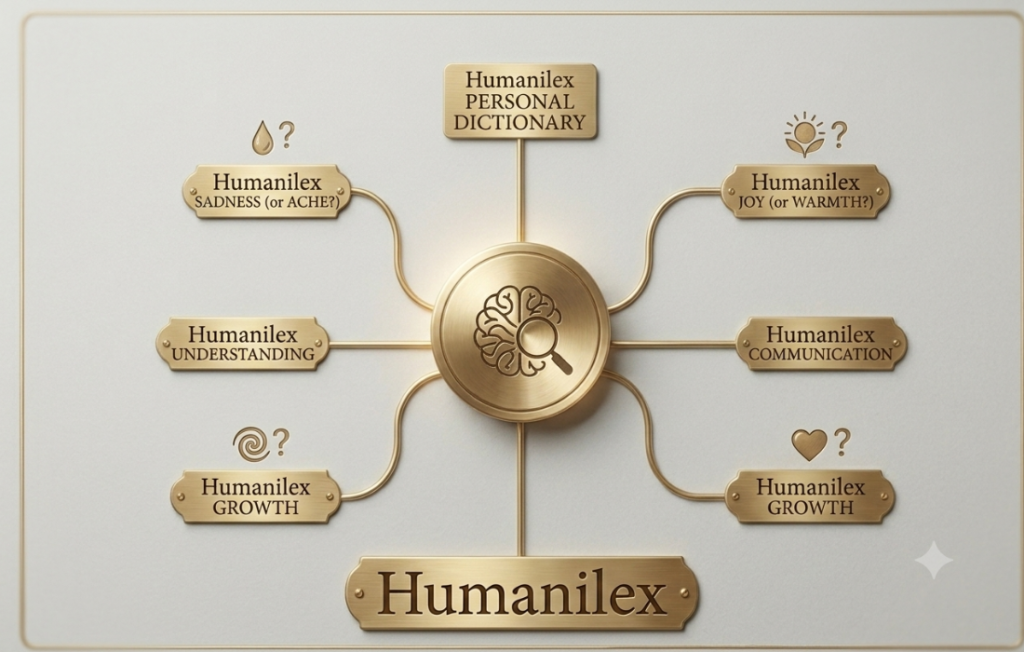
Humanilex is a term that combines the words “human” and “lexicon.” It represents the personal collection of emotional, sensory, and relational words that people use to understand and communicate their experiences. Unlike a traditional dictionary that provides fixed definitions, this concept focuses on the evolving language individuals develop throughout their lives.
Every person experiences emotions differently. While two individuals may both feel sadness, they might describe that feeling using completely different words based on their experiences, culture, and personal understanding. Humanilex reflects this diversity by emphasizing the importance of nuanced emotional expression.
The concept encourages individuals to move beyond simple labels and develop a richer vocabulary that helps them identify subtle emotional states. This ability can contribute to better decision-making, healthier relationships, and improved mental well-being.
Understanding the Core Idea Behind Humanilex
Language shapes how people perceive the world. When individuals lack the words to describe their emotions, they often find it difficult to understand what they are experiencing. This can create confusion, frustration, and emotional disconnection.
A well-developed emotional vocabulary allows people to distinguish between similar feelings. For example, disappointment, regret, frustration, and grief may all seem related, yet each represents a different emotional experience. Recognizing these differences helps individuals respond more effectively to life’s challenges.
The idea behind Humanilex is not about memorizing complicated words. Instead, it involves developing a meaningful language that accurately reflects personal experiences. As people encounter new situations, relationships, and cultural influences, their emotional vocabulary continues to evolve.
The Importance of Emotional Language in Modern Life
Modern communication often prioritizes speed over depth. Text messages, social media posts, and short-form content encourage quick responses rather than thoughtful expression. While these tools offer convenience, they can also limit opportunities for meaningful emotional communication.
Having access to a richer emotional vocabulary helps individuals express themselves more clearly. It reduces misunderstandings, supports empathy, and encourages healthier interactions. Whether in personal relationships, professional environments, or social settings, the ability to communicate emotions effectively remains a valuable skill.
Research in psychology suggests that people who can identify and label emotions accurately often demonstrate better emotional regulation. They are more likely to manage stress effectively and navigate difficult situations with greater resilience.
Key Features of Humanilex
| Feature | Description |
| Emotional Granularity | Helps individuals identify specific emotions rather than using broad labels. |
| Personal Development | Encourages self-reflection and greater self-awareness. |
| Dynamic Growth | Continues evolving through life experiences and learning. |
| Enhanced Communication | Improves the ability to express thoughts and emotions clearly. |
| Relationship Support | Strengthens understanding and empathy between individuals. |
| Cultural Flexibility | Adapts to different cultural and social contexts. |
| Mental Clarity | Helps organize thoughts and emotional experiences. |
| Emotional Regulation | Supports healthier responses to stress and challenges. |
How Humanilex Influences Emotional Intelligence
Emotional intelligence refers to the ability to recognize, understand, and manage emotions effectively. A strong emotional vocabulary serves as one of its most important foundations.
When people can accurately identify their feelings, they gain greater control over their reactions. Instead of feeling overwhelmed by vague emotional discomfort, they can pinpoint the source of the emotion and respond appropriately.
For example, recognizing the difference between anxiety and excitement can influence decision-making. Both emotions may produce similar physical sensations, yet they require different responses. The ability to distinguish between them contributes to better emotional management.
Furthermore, understanding personal emotions makes it easier to recognize emotional states in others. This creates opportunities for empathy, cooperation, and stronger interpersonal relationships.
Benefits of Developing a Strong Humanilex
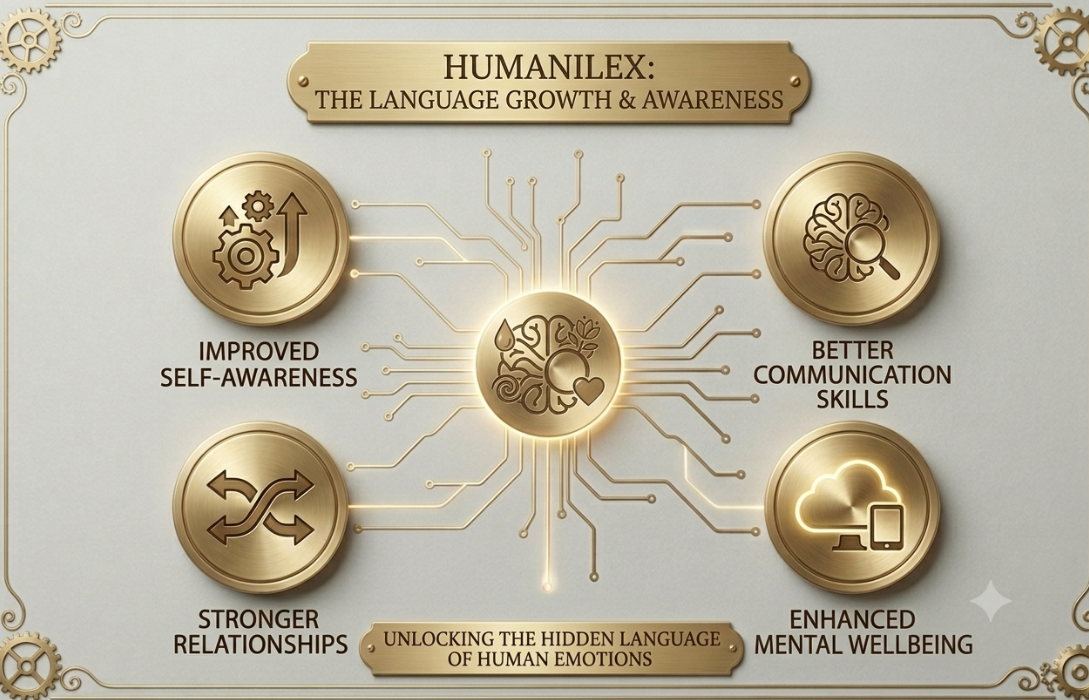
Improved Self-Awareness
People often experience emotions without fully understanding them. Expanding emotional vocabulary encourages deeper reflection and greater awareness of personal feelings.
Better Communication Skills
Clear emotional language helps individuals communicate needs, concerns, and expectations more effectively. This reduces misunderstandings and promotes healthier interactions.
Stronger Relationships
Relationships thrive when people feel understood. Being able to describe emotions accurately allows others to respond with greater empathy and support.
Enhanced Mental Well-Being
Identifying and expressing emotions can reduce psychological stress. Individuals who understand their feelings are often better equipped to manage challenges and recover from setbacks.
Increased Confidence
A richer emotional vocabulary provides individuals with tools to express themselves authentically. This can improve confidence in both personal and professional settings.
Greater Adaptability
Life constantly presents new experiences. Developing a flexible emotional vocabulary helps individuals adapt to changing circumstances more effectively.
Practical Applications in Everyday Life
The principles associated with Humanilex can be applied across many areas of daily life.
Personal Growth
Self-reflection becomes more effective when people have precise language for describing their experiences. Journaling, mindfulness practices, and personal development activities all benefit from an expanded emotional vocabulary.
Education
Students who learn to articulate emotions may experience improved communication, stronger social skills, and greater emotional resilience. Emotional literacy is becoming an increasingly important aspect of modern education.
Workplace Communication
Professional environments often require individuals to manage stress, collaborate with colleagues, and resolve conflicts. Effective emotional communication supports productive teamwork and healthier workplace relationships.
Family Relationships
Families benefit when members can openly discuss feelings and concerns. Clear emotional expression helps strengthen trust and reduce misunderstandings.
Mental Health Support
Therapists and counselors frequently encourage clients to identify emotions with greater precision. A richer emotional vocabulary can enhance self-understanding and improve therapeutic outcomes.
Building Your Personal Humanilex
Developing a stronger emotional vocabulary is an ongoing process. It requires curiosity, reflection, and a willingness to explore personal experiences.
Read Diverse Literature
Books, essays, and poetry expose readers to new ways of describing emotions and experiences. Literature often introduces nuanced emotional language that may not appear in everyday conversation.
Practice Journaling
Writing about daily experiences encourages emotional reflection. Over time, journaling can reveal patterns and help individuals develop more precise emotional descriptions.
Explore Different Perspectives
Conversations with people from diverse backgrounds can expand emotional understanding. Different cultures often use unique expressions to describe feelings and relationships.
Learn Emotional Vocabulary
Actively studying emotion-related terms can improve emotional awareness. Learning distinctions between similar feelings helps individuals understand experiences more accurately.
Reflect on Experiences
Taking time to examine personal reactions to events can strengthen emotional insight. Reflection transforms experiences into valuable opportunities for growth.
Challenges and Limitations
While developing emotional language offers many benefits, it is not without challenges.
One common obstacle is oversimplification. Many people rely on broad emotional categories because they are easier to use. However, this can limit self-understanding and reduce communication effectiveness.
Cultural differences can also influence emotional expression. Certain emotions may be described differently across societies, making communication more complex.
Another challenge involves emotional avoidance. Some individuals hesitate to explore difficult feelings because doing so may feel uncomfortable. Expanding emotional vocabulary requires honesty and self-reflection, which can be challenging at times.
Despite these obstacles, consistent effort can gradually improve emotional awareness and communication skills.
Why Humanilex Matters More Than Ever
The ability to understand and communicate emotions remains one of the most important human skills. In an age characterized by rapid information exchange, emotional depth often receives less attention than efficiency.
By cultivating a richer emotional vocabulary, individuals can strengthen relationships, improve mental well-being, and gain greater insight into their experiences. This deeper understanding contributes to a more balanced and fulfilling life.
The value of emotional language extends beyond personal development. It influences communities, workplaces, educational systems, and society as a whole. As people become more emotionally aware, they are better equipped to build meaningful connections and navigate complex challenges.
Conclusion
Humanilex represents more than a collection of words. It is a living framework through which people understand emotions, relationships, and personal experiences. By developing a richer emotional vocabulary, individuals gain greater self-awareness, stronger communication skills, and improved emotional resilience.
As society becomes increasingly connected through technology, the ability to express authentic human experiences remains essential. Investing in emotional language is ultimately an investment in personal growth, meaningful relationships, and long-term well-being.
FAQs
What is Humanilex?
Humanilex refers to an individual’s evolving collection of emotional, sensory, and relational vocabulary used to understand and communicate personal experiences.
Why is Humanilex important?
It helps people identify emotions more accurately, communicate effectively, and develop stronger self-awareness and emotional intelligence.
How does Humanilex improve communication?
A richer emotional vocabulary allows individuals to express thoughts and feelings with greater clarity, reducing misunderstandings and improving relationships.
Can emotional vocabulary affect mental health?
Yes. Research suggests that accurately identifying emotions can improve emotional regulation and help individuals manage stress more effectively.
How can someone develop a stronger Humanilex?
Reading, journaling, self-reflection, learning emotional terminology, and engaging with diverse perspectives can help expand emotional vocabulary.
Is Humanilex the same as emotional intelligence?
No. Emotional intelligence is a broader skill set, while Humanilex focuses specifically on the language used to understand and express emotions.
Can Humanilex help in professional environments?
Yes. Better emotional communication supports teamwork, leadership, conflict resolution, and workplace relationships.
What role does Humanilex play in the future?
As digital communication grows, emotional literacy and nuanced expression may become increasingly important for maintaining authentic human connections.