Technology is changing the way people interact with the world and zoos are no exception. In recent years, the concept of an artificial zoo has gained attention as a modern and innovative way to experience wildlife. By combining artificial intelligence (AI), virtual reality (VR), augmented reality (AR) and digital technologies, Virtual zoo offer visitors an engaging and educational experience while supporting animal welfare and conservation efforts.
Traditional zoos have long played an important role in wildlife education and conservation. However, concerns about animal welfare, limited space and environmental impact have encouraged the development of new approaches. An artificial zoo provides a technology driven alternative that allows people to learn about animals in immersive and interactive ways.
This article explores what an Virtual zoo is, how it works, its benefits, challenges and its potential to shape the evolution of wildlife experiences.
What Is an Artificial Zoo?
An artificial zoo is a contemporary form of wildlife attraction that integrates modern digital technologies to present animals and their habitats in an innovative way. It combines tools such as Artificial Intelligence, Virtual Reality, Augmented Reality, holographic systems and smart sensors to create interactive learning environments.
These technologies work together to offer visitors a unique way of experiencing wildlife through simulations and digital representations rather than physical enclosures. Instead of traditional viewing, people can explore ecosystems and understand animal behavior through immersive experiences.
The purpose of a virtual zoo is to make wildlife education more accessible, engaging and informative while also addressing the limitations and concerns associated with keeping live animals in captivity.
How Artificial Zoos Work
Artificial zoos use a combination of software, hardware and digital technologies to create immersive experiences.
Virtual Reality Experiences
Virtual reality headsets can transport visitors into realistic wildlife environments. People can walk through a virtual rainforest, explore the African savannah or dive into ocean ecosystems without leaving the zoo. These experiences help visitors understand animal habitats and behaviors in a highly engaging way.
Augmented Reality Displays
Augmented reality adds digital elements to the real world. Visitors can point their smartphones or tablets at exhibits and see animals come to life through animations and interactive content. This technology enhances learning by providing detailed information in an entertaining format.
Artificial Intelligence Systems
Artificial Intelligence plays a central role in Virtual zoo by enhancing both visitor engagement and learning. AI can personalize visitor experiences based on individual interests, answer questions in real time, analyze visitor behavior to improve exhibits, create intelligent virtual guides and support educational programs.
These capabilities make zoo visits more interactive, informative and enjoyable for people of all ages. AI helps make the experience more interactive and meaningful for people of all ages. AI powered artificial zoos also depend on reliable digital infrastructure and hosting solutions to support their interactive applications and data driven experiences.
Benefits of Artificial Zoos
Artificial zoos offer several advantages compared to traditional wildlife attractions, as they provide visitors with more immersive, educational and interactive experiences through advanced technologies such as virtual reality and digital simulations.
Improved Animal Welfare
One of the biggest benefits of an Virtual zoo is its potential to improve animal welfare. Traditional zoos often face challenges such as:
- Limited living space
- Stress from visitors
- Environmental restrictions
- High maintenance costs
Artificial zoos reduce the need to keep certain animals in captivity while still allowing visitors to learn about them. This approach can help protect animal well being and support ethical wildlife education.
Enhanced Visitor Experience
Modern visitors expect interactive and engaging experiences. Artificial zoos provide exactly that. Features may include:
- Virtual animal encounters
- Interactive educational games
- Personalized tours
- Real time information
- Immersive storytelling
These experiences make learning about wildlife more enjoyable and memorable for visitors by allowing them to see, feel and understand animal behavior and natural habitats in a more realistic and engaging way.
Increased Accessibility
Not everyone can travel to famous zoos or wildlife reserves. Artificial zoos can make wildlife education accessible to a wider audience. People can explore exhibits through:
- Online virtual tours
- Mobile applications
- Digital classrooms
- Remote learning platforms
This accessibility helps spread awareness about conservation and biodiversity worldwide by reaching a larger audience and allowing people from different places to learn about wildlife without needing to visit physical locations.
The Role of Artificial Intelligence in Artificial Zoos
Artificial intelligence is one of the key technologies behind modern artificial zoos, as it helps create realistic animal behaviors, interactive environments and personalized learning experiences for visitors.
Smart Virtual Guides
AI-powered virtual guides can act as digital tour assistants by providing real time information, answering visitors’ questions and guiding them through different exhibits in an interactive and engaging way. These guides can:
- Answer visitor questions
- Recommend exhibits
- Provide educational content
- Support multiple languages
As a result, visitors receive personalized information based on their interests and preferences.
Interactive Learning Experiences
AI can adapt educational content according to a visitor’s age, knowledge level and interests, making the learning experience more personalized, engaging and easier to understand for each individual. For example:
- Children may receive simple explanations.
- Students may receive educational quizzes.
- Researchers may access detailed scientific information.
This personalized approach improves learning outcomes by helping visitors understand information more effectively, retain knowledge for longer and stay more engaged with the educational content.
Data Analysis and Improvement
Artificial zoos collect valuable data about visitor behavior, such as which exhibits attract the most attention and how long visitors engage with different experiences, helping improve future design and learning programs. AI systems can analyze:
- Popular exhibits
- Visitor engagement levels
- Learning preferences
- Traffic patterns
This information helps zoo operators improve visitor experiences and optimize resources by identifying what works best, reducing unnecessary costs and enhancing the overall efficiency and quality of the zoo environment.
Real World Examples of Artificial Zoo Technologies
While fully artificial zoos are still emerging, many wildlife organizations already use technologies that support the concept.
Virtual Wildlife Experiences
Several zoos and aquariums offer virtual tours that allow visitors to explore exhibits online. These digital experiences became especially popular during global travel restrictions. Visitors can observe animals, learn from experts and participate in educational programs from home.
Interactive Museum Exhibits
Many science museums and wildlife centers use AR and AI powered displays to create realistic animal encounters. Visitors can interact with digital animals and learn about ecosystems in ways that traditional exhibits cannot provide.
Holographic Animal Displays
Some exhibitions use holograms to showcase extinct or endangered species. These displays help educate visitors without requiring live animals. This technology demonstrates how Virtual zoo could evolve in the future.
Artificial Zoos and Wildlife Conservation
Conservation is a major focus of modern wildlife education. Artificial zoos can make a valuable contribution to wildlife conservation by raising awareness about endangered species and educating the public about biodiversity.
Through engaging digital experiences, they can promote sustainable practices, support conservation campaigns and encourage visitors to take greater responsibility for protecting the environment. As a result, Virtual zoo can inspire people to become more involved in conservation efforts both locally and globally.
By reaching larger audiences through digital platforms, artificial zoos can increase public engagement in conservation initiatives.
Supporting Research and Education
Artificial zoos can also serve as educational and research platforms. Schools and universities may use artificial zoo technologies to:
- Teach biology and ecology
- Study animal behavior
- Conduct environmental education programs
- Promote conservation awareness
These opportunities can inspire future generations to develop a deeper sense of responsibility and awareness toward protecting wildlife and preserving natural habitats for the long term.
Challenges of Artificial Zoos
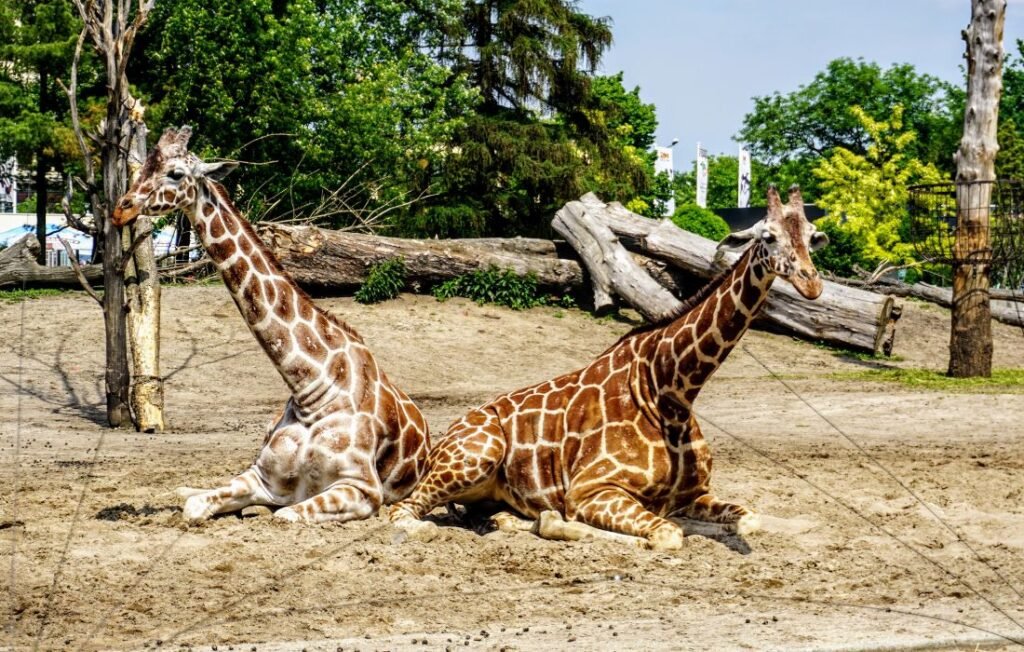
Despite their benefits, virtual zoos also face several challenges, including high development costs, the need for advanced technology and limitations in fully replicating the experience of observing real animals in natural environments.
High Development Costs
Building immersive digital experiences requires significant investment in technology, software and infrastructure.
Technology Limitations
Current technologies may not fully replicate the experience of observing live animals in person. Some visitors may still prefer traditional zoo experiences.
Educational Balance
Artificial zoos must ensure that entertainment does not overshadow educational value. The primary goal should remain wildlife education and conservation awareness.
Accessibility Issues
Although digital platforms increase accessibility not everyone has access to advanced devices or high speed internet. Organizations must consider inclusive solutions for all users.
Conclusion
An artificial zoo represents a new and exciting approach to wildlife education and conservation. By combining artificial intelligence, virtual reality, augmented reality and interactive technologies, Virtual zoos provide immersive experiences that engage visitors while promoting ethical treatment of animals.
These innovative attractions offer numerous benefits, including improved animal welfare, greater accessibility, personalized learning and enhanced conservation awareness. Although challenges remain, the continued development of AI and digital technologies is likely to make Virtual zoos increasingly popular in the years ahead.
As society seeks more sustainable and ethical ways to connect with nature, Virtual zoo may play a significant role in shaping the future of wildlife experiences.
FAQs
What is an artificial zoo?
An artificial zoo is a technology based wildlife attraction that uses AI, VR, AR and digital tools to create interactive and educational animal experiences.
How does an artificial zoo differ from a traditional zoo?
Traditional zoos primarily display live animals while artificial zoos rely on digital technologies to recreate wildlife experiences and educational content.
What technologies are used in artificial zoos?
Artificial zoos commonly use artificial intelligence, virtual reality, augmented reality, holograms, interactive displays and smart sensors.
Are artificial zoos better for animal welfare?
Artificial zoos can reduce the need for certain animals to be kept in captivity, which may improve animal welfare and support ethical wildlife education.
Can artificial zoos help with conservation?
Yes. Artificial zoos can educate people about endangered species, promote conservation efforts and increase awareness about protecting wildlife and ecosystems.
Can artificial zoos replace traditional zoos?
Artificial zoos can support traditional zoos but are unlikely to replace them completely. Many visitors still prefer seeing live animals.
How do artificial zoos improve visitor learning?
They use AI, VR and interactive displays to make learning more engaging. This helps visitors understand wildlife more effectively.
Are artificial zoos environmentally friendly?
They can reduce the need for animal captivity and large facilities. However, they still require energy and technology to operate.