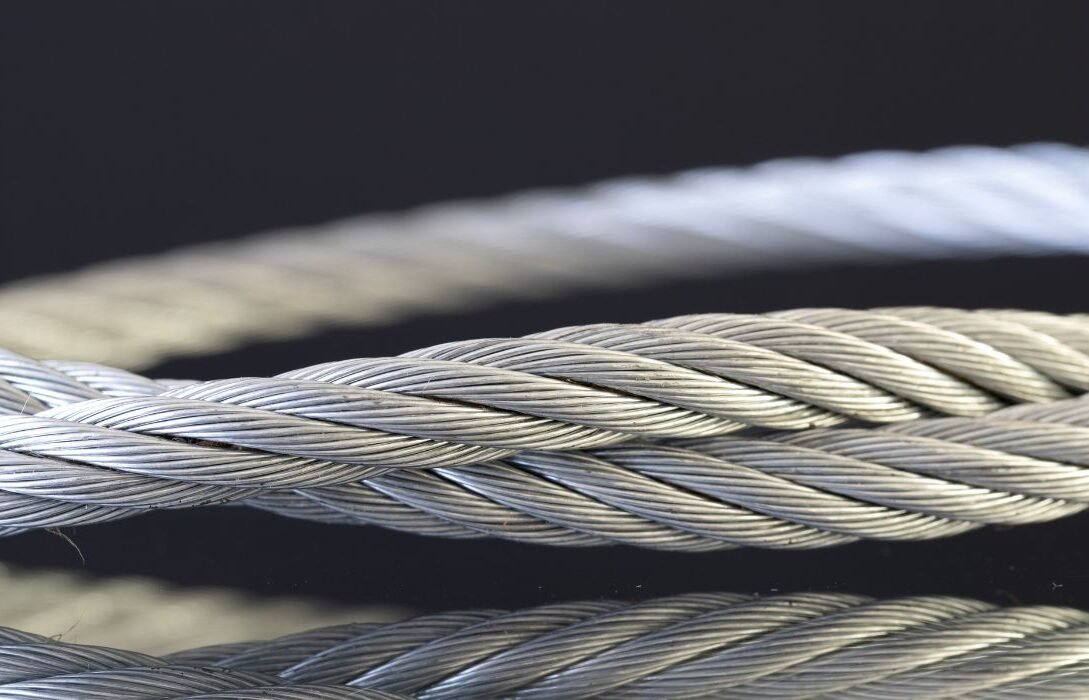
StE500 is a high strength structural steel grade known for its strength, durability and ability to handle demanding industrial conditions. It is commonly associated with the DIN 17102 standard and is used for structural components where higher strength is needed without making the steel unnecessarily heavy.
From bridges and industrial buildings to heavy machinery and large structural projects, Structural steel material steel can provide a strong and reliable material solution. Its combination of mechanical strength and practical performance makes it suitable for applications where ordinary structural steel may not provide enough load bearing capacity.
This guide explains what Structural steel material is, its key properties, chemical composition, applications, advantages and important considerations when selecting this type of structural steel.
What Is StE500 Steel?
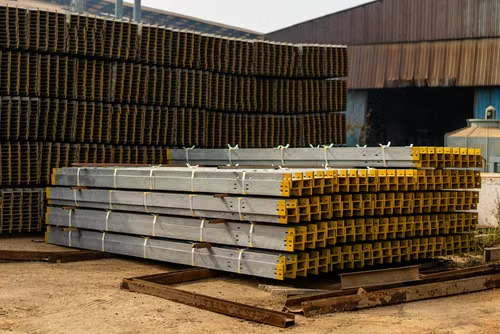
StE500 is a high strength structural steel grade designed for demanding construction and engineering applications. The designation Structural steel material is associated with older German DIN standards for normalized structural steels. The number “500” refers to the approximate minimum yield strength range associated with the grade, depending on the material thickness and applicable specification.
This high strength allows engineers to design strong structures while potentially reducing the amount of steel required compared with lower strength grades. Structural steel material is generally supplied as steel plate and can be used in applications where strength, toughness and structural reliability are important.
Key Features of StE500
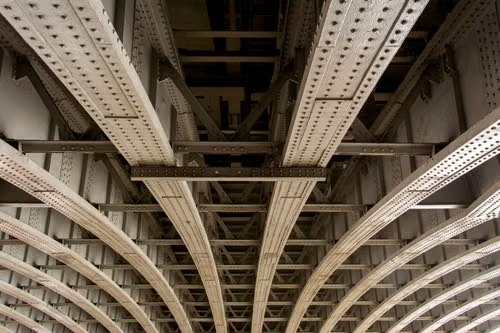
StE500 steel offers several characteristics that make it useful for heavy duty applications. Its performance can vary according to thickness, manufacturing process and applicable technical requirements. Some of its key features include:
StE500 offers high yield strength, good tensile strength and strong load bearing capability, making it suitable for demanding structural applications. It also provides suitable toughness and performs well in heavy engineering projects. Structural steel material is available in plate and related product forms and can be used for large welded structures when appropriate welding procedures are followed. Its high strength may also help reduce material requirements in some high load designs.
For example, a large industrial frame may require substantial structural strength. Using a higher strength grade such as Structural steel material can help engineers achieve the required load capacity without simply increasing the thickness of every component.
Chemical Composition of StE500
The chemical composition of Structural steel material is important because elements such as carbon, manganese, silicon and other alloying elements influence strength, toughness and weldability. The exact chemical limits should always be checked against the relevant standard, material certificate, product thickness and supplier specification. Typical considerations include:
- Carbon: Contributes to hardness and strength but excessive carbon can reduce weldability.
- Manganese: Helps improve strength and contributes to toughness.
- Silicon: Can support strength and acts as a deoxidizing element during steel production.
- Phosphorus and sulfur: Normally controlled at low levels because excessive amounts can negatively affect steel performance.
- Other alloying elements: Depending on the production specification, certain elements may be used to improve strength, toughness or processing characteristics.
When purchasing Structural steel material, buyers should request a material test certificate to confirm the actual chemical composition of the supplied plate.
Mechanical Properties of StE500

Mechanical properties are one of the main reasons engineers consider Structural steel material for structural applications. Important properties include yield strength, tensile strength, elongation and impact toughness. The actual values can depend on plate thickness and the specific standard or delivery condition.
Yield Strength
Yield strength indicates the stress at which steel begins to undergo permanent deformation. The high yield strength associated with Structural steel material makes it suitable for structures exposed to substantial loads.
Tensile Strength
Tensile strength represents the maximum stress a material can withstand while being pulled before failure. Structural steel material provides high tensile strength alongside its high yield strength.
Toughness and Impact Performance
Toughness is important for structures that may experience sudden loads, vibration or changing environmental conditions. Impact requirements should be checked against the specific purchasing specification before selecting the material.
Because mechanical properties can differ by thickness and supply condition, technical documentation should always be reviewed for the exact product being purchased.
Applications of StE500 Steel
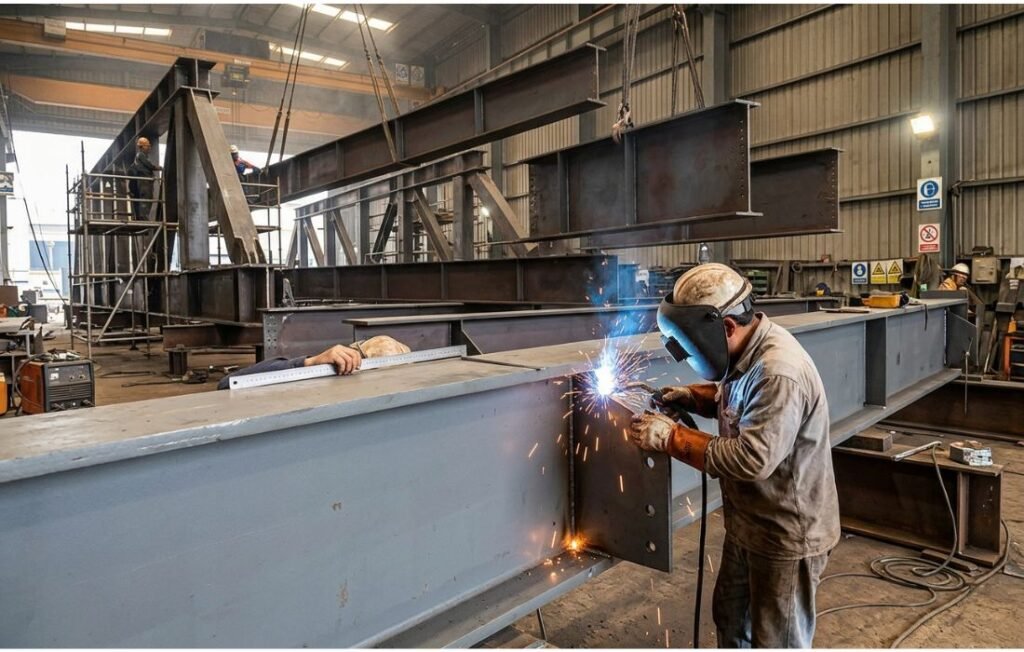
Structural steel material is suitable for heavy engineering and structural applications where high strength and durability are required. It is commonly used in construction, machinery, industrial equipment and large structural components.
Steel Structure Construction
StE500 can be used for heavy structural components in industrial buildings, warehouses, plants and other large structures. Its high strength can be useful where structural members need to carry significant loads.
Bridges
Bridge construction requires materials capable of handling continuous loads, dynamic forces and environmental exposure. High strength structural steel can be considered for bridge components where its mechanical properties meet the project requirements.
Heavy Machinery
Structural steel material may be used in components for construction and industrial machinery where strength and resistance to heavy loads are important. For example, equipment used in mining or large construction projects can experience substantial mechanical stresses. High strength plate can help provide the required structural support.
Pressure and Storage Equipment
Certain industrial storage structures and pressure related equipment require carefully selected steels with suitable strength and toughness. Structural steel material may be considered for relevant components when the material specification and design requirements permit its use.
However, pressure equipment should always use a grade specifically approved for the applicable design code and service conditions.
Transportation and Heavy Vehicles
Heavy transportation equipment and specialized vehicles often require strong materials without unnecessary weight. High strength structural steel can help manufacturers balance structural strength and material efficiency.
Offshore and Industrial Structures
Offshore platforms, industrial support structures and large engineering projects may require high strength materials. In these cases, engineers consider strength, toughness, corrosion conditions, welding requirements and applicable standards before choosing a steel grade.
Advantages of StE500
The main advantage of Structural steel material is its high strength but it also offers durability, toughness and reliable performance for demanding structural and engineering applications.
High Load Bearing Capacity
Its high strength makes Structural steel material suitable for components exposed to heavy structural loads, providing reliable support and performance in demanding applications.
Potential Weight Reduction
Higher strength steel can sometimes allow engineers to reduce the thickness or weight of certain structural components while maintaining the required strength.
Suitable for Heavy Engineering
Structural steel material can be considered for demanding applications involving large structures, heavy machinery and industrial equipment where strength, durability and reliable performance are important.
Efficient Material Use
Using an appropriate high strength steel grade can optimize material usage and potentially reduce the overall size and weight of structural components.
StE500 and Welding Considerations
Welding is an important consideration when working with high strength structural steel. Although Structural steel material can be used in welded structures, welding procedures must be selected according to the material thickness, chemical composition, joint design and project requirements.
Preheating, heat input, consumables, cooling conditions and welding sequence may need to be controlled to reduce the risk of cracking or loss of mechanical performance. For critical projects, welding should be carried out according to an approved welding procedure and relevant engineering standards.
How to Choose StE500 Steel
Before ordering Structural steel material, buyers should verify more than just the grade name to ensure the material meets their specific project requirements. Important factors include:
Before purchasing Structural steel material, buyers should consider the required plate thickness and dimensions, applicable DIN or project specifications, chemical composition, yield and tensile strength, impact toughness, delivery condition, welding requirements, surface quality, material certification and inspection and testing requirements.
For example, a bridge project may have very different impact and certification requirements from a general industrial building. Therefore, the correct Structural steel material specification should always be selected according to the final application.
Tools Used in StE500 Steel Fabrication
Fabricating StE500 steel plates requires suitable industrial tools for cutting, fastening, measuring and assembly. The right equipment can improve accuracy and make fabrication work more efficient. For related industrial tool applications, you can also explore the DEWALT ToughSeries Screwdriver, which is designed for demanding work environments.
StE500 vs Other Structural Steels
StE500 is generally selected when a project needs greater strength than conventional structural steel grades can provide. However, the strongest grade is not automatically the best grade. Engineers also need to consider weldability, toughness, thickness, fabrication methods, availability, cost and applicable standards.
In modern projects, buyers may also compare Structural steel material with newer European, ASTM, EN or other national steel grades. These grades should not be treated as automatically interchangeable simply because their strength levels appear similar. Equivalent grade decisions should be confirmed through technical standards and material certificates.
Why Material Certification Matters
When purchasing Structural steel material steel plate, reliable documentation is essential. A material test certificate can provide information about the actual chemical and mechanical properties of the supplied material. For important engineering projects, buyers should verify:
- Grade and standard
- Plate thickness
- Heat number or batch identification
- Chemical composition
- Mechanical test results
- Delivery condition
- Inspection requirements
This information helps confirm that the supplied Structural steel material meets the project’s required technical standards, specifications and quality requirements.
Conclusion
StE500 is a high strength structural steel grade suitable for demanding engineering and construction applications. Its combination of strength, load bearing capability, and structural performance makes it useful for areas such as heavy buildings, bridges, machinery, transportation equipment and industrial structures.
However, selecting the right steel requires more than looking at the grade name. Thickness, toughness, welding requirements, chemical composition, applicable standards, certification and project conditions should all be considered before purchase.
For critical applications, engineers and buyers should always verify the latest applicable specification and material certificate to ensure that the selected Structural steel material steel meets the required technical and safety standards.
FAQs
What is StE500 steel?
StE500 is a high strength structural steel grade associated with German DIN standards. It is designed for applications where higher strength and load bearing performance are required.
What is StE500 used for?
StE500 can be considered for heavy structural construction, bridges, machinery, industrial structures, transportation equipment and other engineering applications requiring high strength steel.
Is StE500 suitable for welding?
StE500 can be used in welded structures when appropriate welding procedures are followed. Welding conditions should be selected according to plate thickness, material composition, joint design and project requirements.
What are the main benefits of StE500?
The main benefits include high strength, strong load bearing capability, suitability for heavy engineering and the potential to reduce material weight in appropriately designed structures.
How should I select StE500 steel plate?
Consider the required thickness, dimensions, mechanical properties, chemical composition, toughness, delivery condition, welding requirements, applicable standards and material certification before purchasing Structural steel material steel plate.
What is the strength of StE500 steel?
Structural steel material is a high strength structural steel grade designed to provide strong load bearing performance. Its exact strength values depend on plate thickness and the applicable material specification.
Can StE500 be used in heavy machinery?
Yes, Structural steel material can be used for heavy machinery and industrial equipment where high strength and resistance to heavy structural loads are required.
What should I check before buying StE500 steel?
Before buyingStructural steel material , check the grade specification, plate thickness, chemical composition, mechanical properties, delivery condition, certification and project specific requirements.