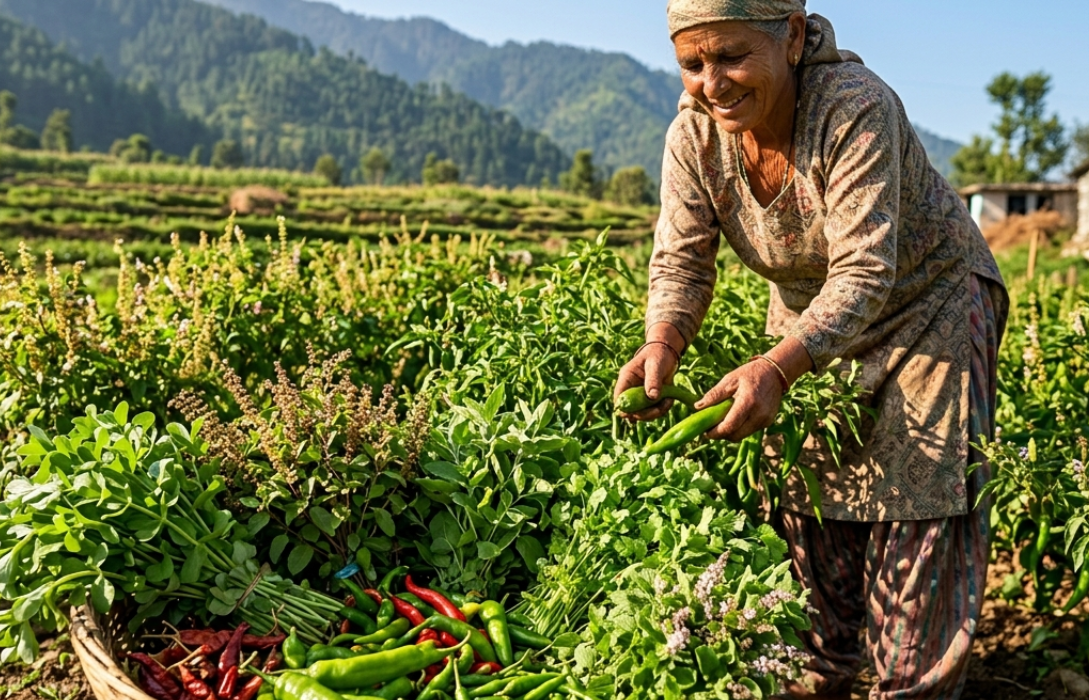
Traditional foods are becoming popular again as more people look for natural, wholesome meals instead of highly processed products. One food that has recently gained attention is Pizokeelio. It is often described as a traditional dish made with simple, whole ingredients that provide balanced nutrition and support a healthy lifestyle.
Although information about Pizokeelio is still limited compared to well known traditional foods, it is commonly presented as a nutrient rich meal prepared using natural ingredients and traditional cooking techniques. Rather than relying on artificial additives, it emphasizes whole foods and balanced nutrition.
In this guide, you’ll learn everything about Pizokeelio, including its ingredients, nutritional profile, calories, potential health benefits, preparation methods, and important safety considerations.

Table of Contents
- What Is Pizokeelio?
- The History and Cultural Background of Pizokeelio
- Traditional Ingredients Used in Pizokeelio
- Nutrition Facts of Pizokeelio
- Calories and Macronutrients
- Why Traditional Foods Like Pizokeelio Are Becoming Popular
What Is Pizokeelio?
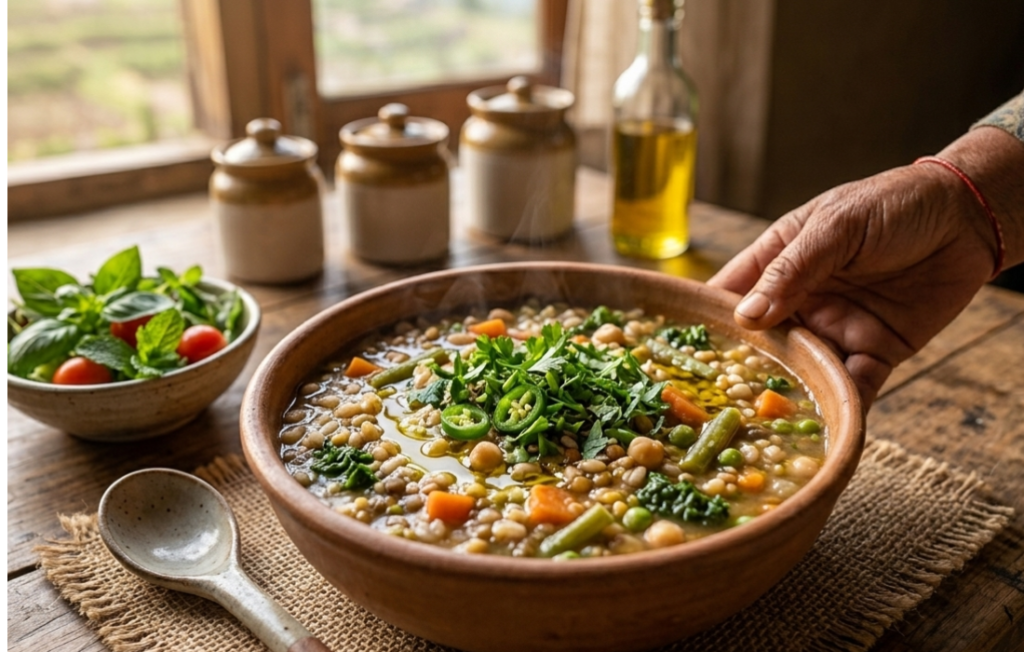
It is generally described as a traditional whole food dish prepared from natural ingredients such as grains, legumes, root vegetables, and other minimally processed foods. Unlike modern convenience meals, it focuses on balanced nutrition and simple preparation methods that have been used for generations.
The exact recipe can vary depending on the region and local traditions. Some versions may include fermented ingredients, while others rely on slow cooking techniques to improve texture and flavor.
Instead of being promoted as a miracle food, its is better understood as part of a balanced dietary pattern that emphasizes natural ingredients and traditional cooking practices.
Why Is Pizokeelio Gaining Attention?
Several factors have contributed to the growing interest in Pizokeelio:
- Growing demand for whole food diets
- Increased awareness of traditional eating habits
- Interest in minimally processed foods
- Focus on balanced nutrition
- Preference for culturally inspired recipes
As more people move away from ultra-processed foods, traditional meals like Pizokeelio have become more appealing.
The History and Cultural Background of Pizokeelio
A Traditional Food with Cultural Significance
It is often associated with regional cooking traditions where meals were designed to provide nourishment using locally available ingredients. Traditional communities relied on grains, vegetables, legumes, and natural cooking methods to create satisfying meals without artificial preservatives.
Although historical documentation about Pizokeelio itself is limited, its concept reflects many traditional cuisines around the world that value seasonal ingredients, slow cooking, and nutrient rich meals.
Why Traditional Foods Continue to Matter
Traditional foods remain popular because they often emphasize:
- Fresh ingredients
- Home cooking
- Balanced meals
- Sustainable food preparation
- Cultural heritage
These characteristics continue to attract people interested in healthier eating habits.
Traditional Ingredients Used in Pizokeelio
Whole Grains
Whole grains are commonly described as one of the primary components of Pizokeelio. Depending on the regional variation, these may include wheat, barley, or other locally available grains.
Whole grains provide:
- Complex carbohydrates
- Dietary fiber
- B vitamins
- Natural minerals
These nutrients help support overall dietary balance.
Legumes
Many traditional recipes include legumes because they naturally provide plant protein and fiber.
Examples may include:
- Lentils
- Beans
- Chickpeas
Legumes contribute to a more filling meal and increase the overall nutritional value.
Root Vegetables
Root vegetables are another ingredient often associated with traditional dishes similar to Pizokeelio.
They may provide:
- Vitamin C
- Potassium
- Dietary fiber
- Natural carbohydrates
Their mild flavor also complements grains and legumes.
Herbs and Natural Seasonings
Traditional recipes usually avoid artificial flavor enhancers.
Instead, natural herbs and spices may be used to improve taste while keeping the meal simple and balanced.
Nutrition Facts of Pizokeelio
Because recipes vary, the exact nutritional values are not standardized. The following table shows a general nutritional profile for a traditional whole-food meal similar to Pizokeelio rather than fixed values.
| Nutrient | Typical Role |
| Complex Carbohydrates | Primary energy source |
| Plant Protein | Supports muscle maintenance |
| Dietary Fiber | Helps support digestive health |
| Healthy Fats | Present in small amounts depending on ingredients |
| Vitamins | May include B vitamins and vitamin C |
| Minerals | Iron, magnesium, potassium, and zinc may be present |
The final nutritional composition depends on the ingredients and cooking method used.
Calories and Macronutrients
Estimated Calories
A serving of Pizokeelio is generally described as a moderate calorie meal. The total calories depend on portion size and ingredients such as grains, legumes, oils, and vegetables.
Typical traditional meals of this type often provide balanced energy suitable for lunch or dinner.
Carbohydrates
Complex carbohydrates are usually the largest source of calories in Pizokeelio. Unlike refined carbohydrates, they digest more slowly and contribute to a satisfying meal.
Protein
Plant-based protein from legumes and grains may contribute to the overall nutritional profile, especially when multiple ingredients are combined.
Dietary Fiber
Fiber is one of the most valuable components of traditional whole food meals.
Adequate fiber intake may help:
- Support normal digestion
- Promote fullness after meals
- Contribute to a balanced diet
Healthy Fats
Most traditional recipes use limited amounts of added fat, although the exact amount depends on the preparation method.
Why Traditional Foods Like Pizokeelio Are Becoming Popular
Growing Interest in Whole Foods
Consumers are increasingly choosing meals prepared with recognizable ingredients rather than heavily processed products.
Traditional dishes often appeal because they focus on:
- Natural ingredients
- Homemade preparation
- Cultural authenticity
- Balanced nutrition
Focus on Sustainable Eating
Traditional recipes typically rely on seasonal and locally available ingredients, making them a practical choice for people who value sustainable eating habits.
Preference for Balanced Meals
Unlike many convenience foods that are high in refined sugars or unhealthy fats, traditional meals generally aim to combine carbohydrates, protein, fiber, and vegetables in one dish.
This balanced approach continues to make traditional foods attractive for families looking to enjoy wholesome meals while preserving culinary traditions.
Health Benefits of Pizokeelio
It is appreciated not because it promises instant health improvements, but because it is generally associated with a balanced, whole-food dietary pattern. When prepared with natural ingredients, it can become part of a healthy lifestyle.
Supports Healthy Digestion
One of the most commonly mentioned advantages of traditional foods like Pizokeelio is their natural fiber content. Ingredients such as whole grains, legumes, and vegetables may help support normal digestion and contribute to regular bowel movements.
Traditional cooking methods such as slow cooking may also make certain ingredients easier to digest.
Provides Long Lasting Energy
Unlike meals made with refined carbohydrates, It is typically prepared using complex carbohydrates. These carbohydrates release energy more gradually, helping people stay satisfied for longer after eating.
This makes it suitable for people who want a balanced meal instead of highly processed fast food.
Rich in Essential Nutrients
Depending on the ingredients used,it may naturally provide several important nutrients, including:
- Iron
- Magnesium
- Potassium
- Zinc
- B Vitamins
- Vitamin C (if vegetables are included)
These nutrients support normal body functions as part of a varied and balanced diet.
May Help Increase Daily Fiber Intake
Many people consume less fiber than recommended. Traditional meals prepared with grains and legumes can help increase daily fiber intake, which is important for digestive health and overall dietary quality.
Encourages Whole-Food Eating Habits
One of the biggest strengths of Pizokeelio is that it encourages eating minimally processed foods. Choosing meals prepared from natural ingredients instead of heavily processed alternatives can contribute to a healthier overall eating pattern.
How Is Pizokeelio Prepared?
Traditional Cooking Methods
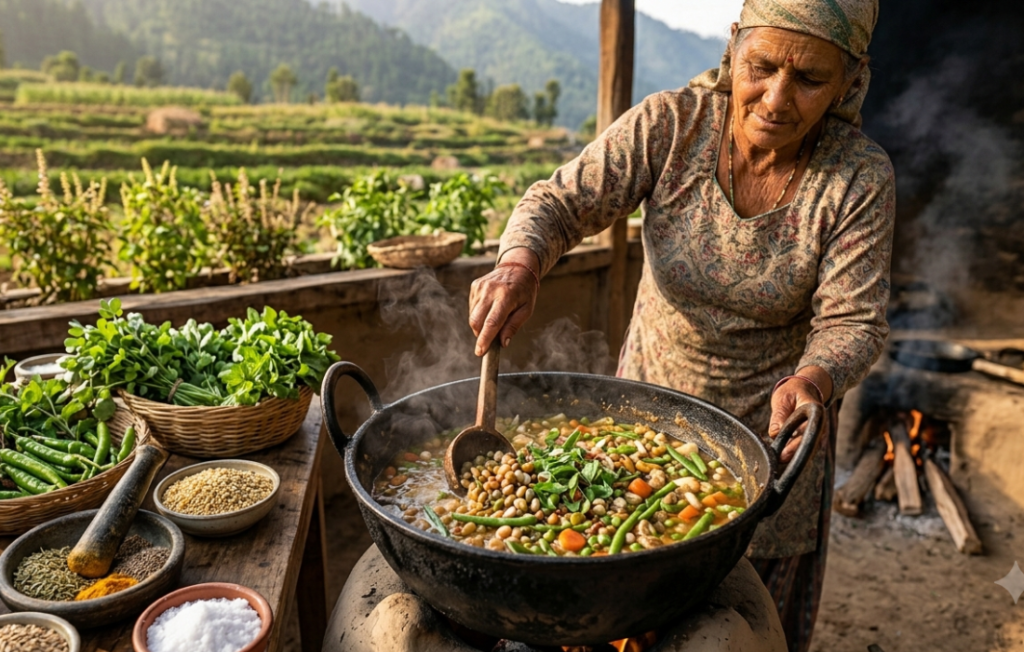
The preparation method plays an important role in both the taste and nutritional quality of Pizokeelio.
Traditional recipes often rely on techniques such as:
- Slow simmering
- Gentle boiling
- Light steaming
- Natural fermentation (in some regional variations)
These methods are commonly used to preserve texture and flavor while avoiding unnecessary processing.
Selecting Fresh Ingredients
Fresh whole grains, vegetables, legumes, herbs, and natural seasonings are chosen based on regional availability.
Cleaning and Preparation
Ingredients are carefully washed and prepared before cooking.
Slow Cooking
The ingredients are cooked slowly to allow flavors to blend naturally without relying on artificial additives.
Final Seasoning
Natural herbs and spices are added according to local traditions.
The result is a hearty meal with a simple yet satisfying flavor.
What Does Pizokeelio Taste Like?
The flavor of Pizokeelio depends on its ingredients and preparation style.
Most descriptions suggest that it has:
- A mild taste
- An earthy flavor
- A soft texture from slow cooking
- Natural aromas from herbs and vegetables
Because recipes vary, no single flavor profile applies to every version.
Who Should Eat Pizokeelio?
It may be suitable for many people as part of a balanced diet, including:
Families
Its simple ingredients make it a practical homemade meal for family dining.
Adults Looking for Whole Foods
People trying to reduce processed food intake may appreciate traditional meals like Pizokeelio.
Individuals Interested in Traditional Cuisine
Those exploring cultural foods may enjoy learning about and preparing dishes such as Pizokeelio.
Plant-Focused Diet Followers
When prepared without animal products, some versions may fit vegetarian or plant forward eating patterns.
Who Should Be Careful Before Eating Pizokeelio?
Although traditional foods are generally well tolerated, some individuals should review the ingredients before consuming them.
These include people with:
- Food allergies
- Gluten sensitivity (if wheat-based grains are used)
- Legume allergies
- Certain medical dietary restrictions
Anyone with specific health conditions should consult a qualified healthcare professional before making major dietary changes.
Is Pizokeelio Safe?
General Safety
When prepared using fresh ingredients and proper food hygiene practices, Pizokeelio is generally considered a traditional food suitable for most healthy individuals.
Food safety depends more on proper preparation and storage than on the dish itself.
Safe Preparation Tips
- Wash ingredients thoroughly.
- Cook grains and legumes completely.
- Store leftovers safely in the refrigerator.
- Reheat food thoroughly before eating again.
- Avoid spoiled or expired ingredients.
Following standard food safety practices helps reduce the risk of foodborne illness.
Are There Any Side Effects?
There are no widely established side effects specific to Pizokeelio. However, as with many foods, individual reactions depend on the ingredients used.
Possible considerations include:
Food Allergies
People allergic to certain grains or legumes should check the recipe carefully.
Digestive Discomfort
A sudden increase in dietary fiber may cause temporary bloating in some individuals, especially if they are not used to high-fiber foods.
Portion Control
Like any meal, eating very large portions may increase calorie intake beyond daily needs.
Pizokeelio vs Processed Foods
| Feature | Pizokeelio | Highly Processed Foods |
| Main Ingredients | Whole, natural foods | Refined ingredients |
| Fiber Content | Usually higher | Often lower |
| Artificial Additives | Minimal or none | Often contains additives |
| Cooking Style | Traditional | Industrial processing |
| Cultural Value | Strong | Limited |
| Nutritional Balance | Depends on recipe, often balanced | Varies greatly |
| Fresh Ingredients | Common | Less common |
Traditional meals like Pizokeelio are often valued for their simplicity and emphasis on whole ingredients, while processed foods are generally designed for convenience and longer shelf life.
FAQs
What is Pizokeelio?
It is commonly described as a traditional whole-food dish prepared with natural ingredients such as grains, legumes, vegetables, and herbs. It is valued for its balanced nutritional profile and connection to traditional cooking practices rather than being a processed convenience food.
Is Pizokeelio healthy?
It can be part of a healthy, balanced diet when prepared with wholesome ingredients. Because recipes vary, its nutritional value depends on the ingredients and portion size. It should be enjoyed alongside a varied diet rather than viewed as a single “superfood.”
How many calories are in Pizokeelio?
There is no universally accepted calorie count because recipes differ from region to region. The calorie content depends on the ingredients used, cooking method, and serving size.
Does Pizokeelio help with digestion?
Many traditional versions of Pizokeelio include fiber-rich ingredients like whole grains, legumes, and vegetables. Fiber supports normal digestive function as part of a balanced diet, although individual experiences may vary.
Is Pizokeelio a processed food?
No. Pizokeelio is generally described as a traditional meal prepared from minimally processed ingredients rather than highly processed packaged foods.
Can vegetarians eat Pizokeelio?
Many traditional recipes are naturally vegetarian because they rely on grains, vegetables, legumes, and herbs. However, ingredients may vary by region, so it is always best to check the specific recipe.
Is Pizokeelio suitable for weight management?
When eaten in appropriate portions and prepared with balanced ingredients, it can fit into a healthy eating plan. Weight management depends on overall calorie intake, physical activity, and long-term lifestyle habits rather than any single food.
Are there any side effects of eating Pizokeelio?
There are no widely recognized side effects linked specifically to Pizokeelio. However, people with allergies, gluten sensitivity, or dietary restrictions should review the ingredients before consuming it.
Why Pizokeelio Is Becoming More Popular
The growing popularity of Pizokeelio reflects a broader interest in traditional and culturally significant foods. Many consumers are moving away from highly processed products and looking for meals prepared with simple, recognizable ingredients.
People appreciate traditional foods because they often:
- Use natural ingredients
- Encourage home cooking
- Preserve cultural heritage
- Support balanced eating habits
- Fit well into whole-food dietary patterns
As interest in sustainable eating and traditional cuisines continues to grow, foods like are attracting more attention from health-conscious consumers.
Conclusion
It is best understood as a traditional, whole-food meal that reflects the values of natural ingredients, balanced nutrition, and cultural heritage. Although its exact recipe and nutritional composition may vary, it highlights the importance of simple, minimally processed foods in everyday eating.
Instead of making unrealistic health promises, it demonstrates how traditional recipes can complement modern healthy lifestyles. By combining wholesome ingredients with mindful preparation, it offers a practical example of balanced eating that continues to resonate with people seeking nutritious and culturally inspired meals.
Whether you are discovering Pizokeelio for the first time or exploring traditional foods from around the world, understanding its ingredients, preparation methods, and nutritional role can help you make informed dietary choices while appreciating the value of authentic culinary traditions.