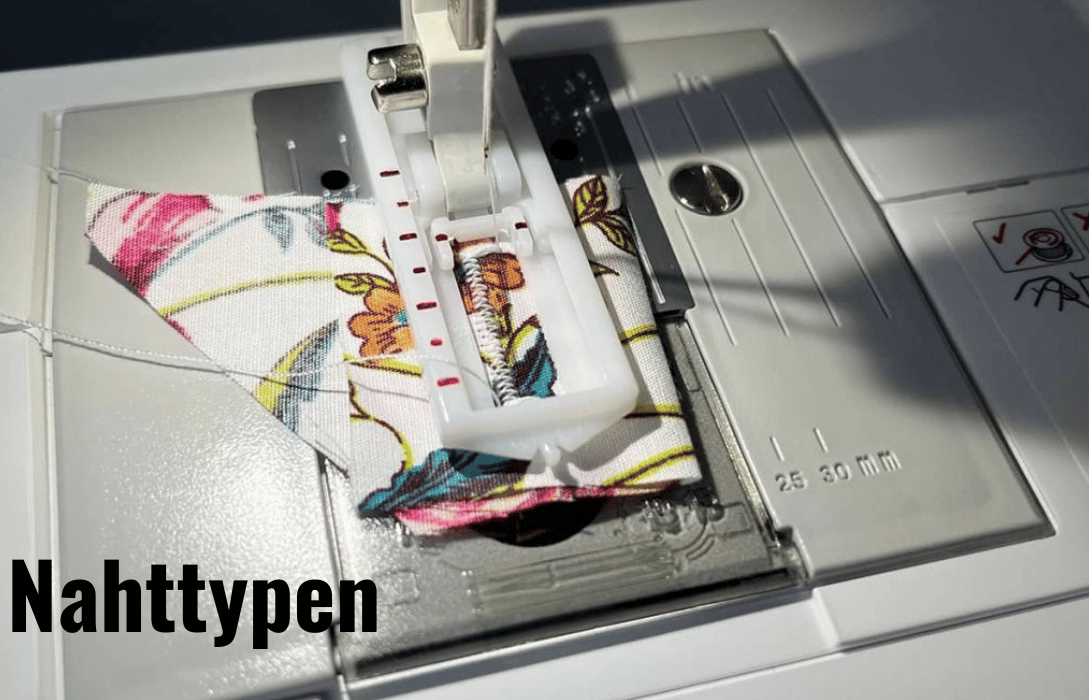
Nahttypen or seam types are the foundation of every sewing project, yet they are often overlooked by beginners.
These essential elements determine how fabric pieces are joined, how strong a garment will be, and how professional the final result appears.
Whether you are sewing clothing, home décor or creative crafts, understanding Nahttypen allows you to move beyond basic stitching and into a more refined, intentional approach to sewing.
Each seam you choose directly impacts the durability, flexibility and overall finish of your work, making it a critical part of the design process rather than just a technical step.
The Importance of Choosing the Right Nahttypen
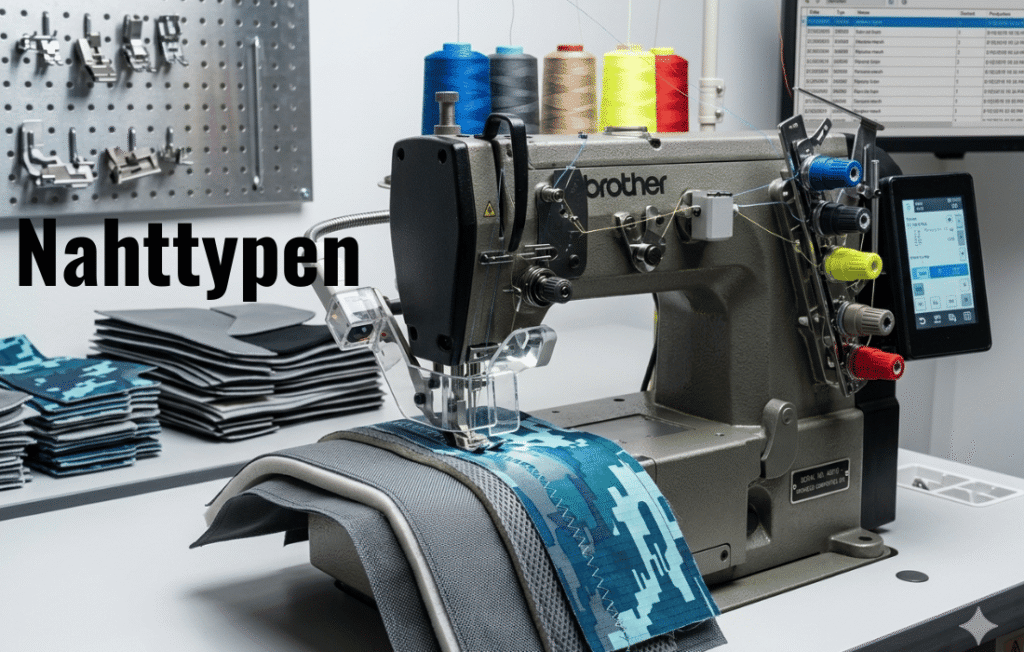
Selecting the correct Nahttypen is not just about holding fabric together; it shapes the entire outcome of a project.
Different seam types offer different advantages depending on the fabric and purpose. For instance, a flat-felled seam provides exceptional strength and is ideal for garments like jeans that endure heavy wear, while a zigzag stitch allows stretch and is perfect for knit fabrics.
Choosing the wrong seam can lead to fraying edges, puckered fabric, or weak construction. By understanding how each seam behaves, sewists can ensure that their projects are not only visually appealing but also long-lasting and functional.
Understanding What Nahttypen Are
At its core, Nahttypen refers to the various methods used to join two or more pieces of fabric with stitches.
However, the concept goes much deeper than simple joining. Seam types are categorized based on how they are constructed, how strong they are and how they are finished.
Some seams are designed for durability, others for flexibility and some purely for decorative purposes.
This classification helps sewists choose the most appropriate seam based on the fabric type, intended use and desired appearance of the final product.
The Core Functions of Seams
Seams serve multiple important roles in sewing, each contributing to the success of a project. Structurally, seams hold fabric pieces together and allow them to withstand tension and stress during use.
From a design perspective, seams influence how a garment looks and feels, adding either subtle refinement or bold decorative detail.
Functionally, seams can provide stretch, support movement, and even enhance performance features such as insulation or water resistance.
Because of these roles, choosing the right Nahttypen is essential for achieving both practical and aesthetic goals.
A Brief History of Nahttypen
The development of Nahttypen reflects the evolution of sewing itself. Early seams were simple and created using primitive tools like bone needles and natural fibers.
As technology advanced, sewing machines and synthetic materials revolutionized seam construction, allowing for more complex and durable designs.
Today, modern textiles demand specialized seam types for industries such as sportswear, medical textiles and outdoor gear.
Innovations continue to push the boundaries, creating seams that are lighter, stronger and more adaptable to different conditions.
Common Types of Nahttypen and Their Uses
There are many types of Nahttypen, each suited to specific applications. The straight stitch is the most common and works well for woven fabrics, offering a clean and strong seam.
The zigzag stitch is essential for stretch fabrics, as it allows movement without breaking the thread. French seams are often used for delicate fabrics because they enclose raw edges, giving a neat and elegant finish.
Flat-felled seams are known for their strength and are commonly found in denim garments. Serged seams, created with an overlock machine, provide a professional finish and prevent fraying.
Decorative seams, on the other hand, add visual interest and can transform a simple design into something unique and eye-catching.
Innovations in Modern Seam Technology
Advancements in sewing technology have introduced new seam techniques that go beyond traditional stitching.
Seam taping is widely used in waterproof garments to prevent moisture from penetrating stitched areas.
Flatlock stitching reduces bulk and enhances comfort, making it popular in activewear. Ultrasonic welding eliminates the need for thread by fusing synthetic fabrics together, while bonded seams use adhesives to create smooth, clean finishes.
These innovations highlight how Nahttypen continues to evolve in response to modern demands for performance and efficiency.
How to Choose the Right Nahttyp
Choosing the right seam type requires careful consideration of several factors. The type of fabric plays a major role, as lightweight materials require delicate seams while heavier fabrics need stronger construction.
The intended use of the item also matters; garments that experience frequent wear need durable seams, while decorative pieces may prioritize appearance.
Aesthetic preferences, durability requirements, and available tools or skill level should all be taken into account. By evaluating these factors, sewists can select the most suitable Nahttypen for their specific project.
Tips for Selecting the Perfect Seam
Improving seam selection begins with practice and attention to detail. Testing different seam types on scrap fabric helps ensure compatibility before working on the final piece.
Matching the thread and needle to the fabric is essential for achieving clean results. Maintaining consistent seam allowances and pressing seams with an iron can significantly improve the overall finish.
Keeping samples of different seams can also serve as a helpful reference for future projects, making it easier to choose the right technique each time.
Common Mistakes to Avoid
Many sewing issues stem from incorrect seam choices or poor technique. One common mistake is ignoring fabric compatibility, which can lead to puckering or weak seams.
Inconsistent seam allowances can result in uneven construction, while incorrect machine tension may cause loose or tight stitches.
Skipping fabric preparation, such as pre-washing, can lead to shrinkage that distorts seams after completion.
Additionally, failing to test stitches beforehand often results in avoidable errors. Recognizing and avoiding these mistakes is key to improving sewing quality.
Enhancing Your Sewing Skills Through Nahttypen
Mastering Nahttypen is one of the most effective ways to elevate your sewing skills. By experimenting with different seam types, you gain a deeper understanding of how fabrics behave and how construction techniques influence the final result.
Practicing regularly, learning new methods, and exploring advanced seam techniques can significantly improve both confidence and creativity.
Over time, this knowledge allows you to approach projects with greater precision and innovation.
The Creative Impact of Nahttypen
Beyond their technical function, Nahttypen represents the artistic side of sewing. Each seam choice reflects intention and craftsmanship, transforming simple fabric into something meaningful and well-constructed.
As sewists become more familiar with different seam types, they begin to see sewing as a creative language where every stitch contributes to the overall design.
This perspective not only improves technical skills but also deepens the connection between the creator and their work.
Conclusion
Nahttypen is a fundamental aspect of sewing that influences every stage of a project, from construction to final presentation.
Understanding different seam types allows sewists to create pieces that are durable, functional and visually appealing.
With practice and knowledge, selecting the right seam becomes second nature, enabling greater creativity and precision.
Ultimately, mastering Nahttypen transforms sewing into a more rewarding and professional craft, where every stitch plays a purposeful role in bringing ideas to life.
FAQs
What does the term Nahttypen mean in sewing?
Nahttypen refers to different types of seams used to join fabric pieces together. Each seam type has a specific purpose, affecting the strength, flexibility and appearance of a sewing project.
Why is choosing the right seam type important?
The right seam ensures durability, prevents fabric damage, and improves the overall look of the finished product. A poor choice can lead to fraying, puckering, or weak construction.
Which Nahttypen is best for beginners?
The straight stitch seam is the easiest and most commonly used, making it ideal for beginners working with woven fabrics.
What seam type should I use for stretchy fabrics?
Zigzag stitches or overlock (serged) seams are best for stretchy fabrics because they allow movement without breaking.
What is the strongest seam type for heavy-duty garments?
Flat-felled seams are among the strongest and are commonly used in jeans and workwear due to their durability.
Which seam is best for delicate fabrics like silk?
French seams are ideal for delicate fabrics because they enclose raw edges and provide a clean, elegant finish.
How do I know which seam type to use for my project?
Consider the fabric type, the purpose of the item, the desired look and how much stress the seam will (endure) during use.
What are common mistakes when using Nahttypen?
Common mistakes include using the wrong seam for the fabric, incorrect seam allowances, improper machine tension and skipping test stitches on scrap fabric