The Dapper Development lawsuit is a business dispute that became a complicated court case. At its center is a disagreement between business partners over ownership, management, a buyout and the terms of their agreements. It is also important to clear up one common mistake: Dapper Development is not the same company as Dapper Labs.
The case involves Dapper Development, Tantalum Holdings, Andrew Cordell and several other people connected to the businesses. The North Carolina Business Court has already issued important decisions in the case, including rulings in 2024 and 2025. The story is easier to understand once the two Dapper names are separated.
What Is the Dapper Development Lawsuit About?

At its simplest, the Dapper Development lawsuit is about a business relationship that broke down. The people involved had ownership and management roles in companies connected to real estate, but their relationship eventually fell apart and led to disagreements over what should happen to one owner’s interest.
Dapper Development was involved in building new homes and renovating and reselling single-family homes. Tantalum Holdings was connected to buying and renting residential properties. The dispute therefore involved real businesses, company ownership and agreements between the people running them.
The legal questions became more complicated after Andrew Cordell was removed from his roles in the companies. The parties then disagreed about his ownership interest, the buyout process and how their existing agreements should be interpreted.
That is why the case includes legal terms such as operating agreement, membership interest, manager, buyout and breach of contract. These terms may sound technical, but they all come back to one basic question: what were the business partners allowed to do and what did they agree would happen if their relationship ended?
Dapper Development vs. Dapper Labs: Why the Names Are Confusing

One of the easiest mistakes to make when researching this case is confusing Dapper Development with Dapper Labs. Despite the similar names, they are different businesses and are involved in different legal matters.
Dapper Development is the North Carolina real-estate business involved in the lawsuit against Andrew Cordell. Dapper Labs, on the other hand, is the company known for blockchain products and NBA Top Shot. Its legal disputes involve completely different issues.
This difference matters because online searches can bring up information about Dapper Labs when someone is actually looking for the Dapper Development lawsuit. That can lead to incorrect information about settlements, payouts, plaintiffs and even the subject of the case.
The safest way to identify the case is to look for its formal name, Dapper Dev., L.L.C. v. Cordell. The North Carolina Judicial Branch identifies the matter as a Business Court case in Mecklenburg County.
Who Is Involved in the Dapper Development Lawsuit?
The plaintiffs include Dapper Development, L.L.C., Tantalum Holdings, LLC, Brendan Gelson, Kyle Tudor and Mason Harris. Andrew Cordell is the defendant.
The people involved were not simply outside customers or unrelated companies. They were connected to the ownership and management of the businesses. That is one reason the case became so focused on the companies’ operating agreements and ownership rights.
An operating agreement is especially important in an LLC because it sets out many of the rules for how the business is managed. It can explain who owns what, how decisions are made and what happens when an owner leaves or is removed.
In this case, those agreements became central to the disagreement. Once the business relationship broke down, the parties had different views about what the agreements required and what Cordell was entitled to receive.
How Did the Business Dispute Start?
The dispute became much more serious in 2023. On June 14, 2023, three members voted to terminate Cordell’s employment, membership and management roles in the companies. The court later had to examine the legal effect of that decision.
Removing someone from a business does not automatically settle questions about that person’s ownership. A person can lose a management role while separate questions about their ownership interest and financial rights remain.
That appears to be what happened here. After Cordell’s removal, the parties still had to deal with his ownership interest and the process for buying it out.
In December 2023, the parties entered into a Consent Scheduling Order concerning a process for redeeming Cordell’s interests. That agreement later became important in the court’s review of the dispute.
What Did the Court Decide?
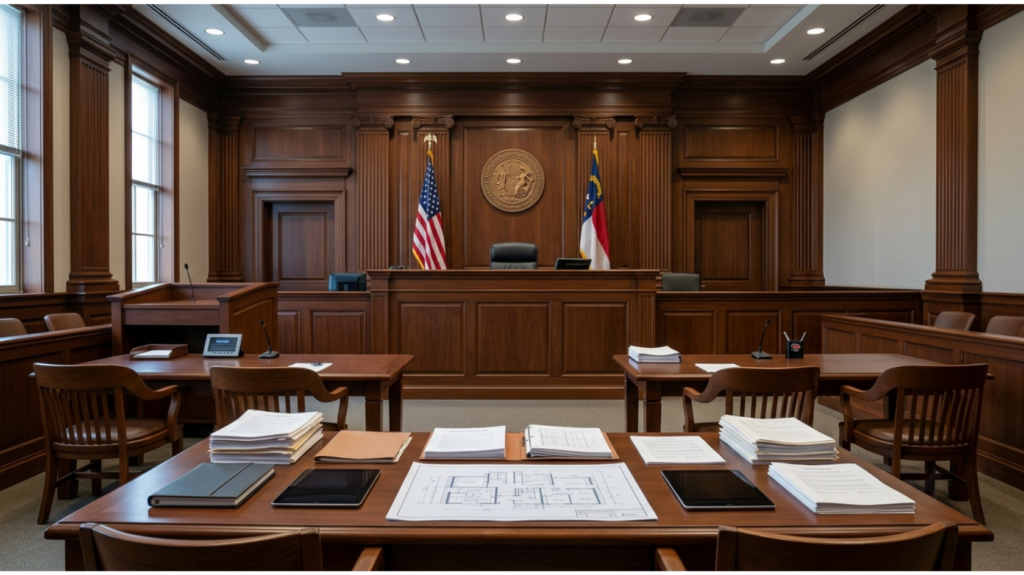
The North Carolina Business Court issued an important ruling in September 2024. The decision, Dapper Dev., L.L.C. v. Cordell, 2024 NCBC 63, dealt with Cordell’s request to have parts of the case dismissed.
The court did not simply throw the entire case out. Instead, it granted the request in some areas and denied it in others. This meant that certain claims ended while other parts of the dispute were allowed to continue.
Some of the claims that continued involved contracts, declarations about the parties’ rights and the Consent Order. The court also examined claims involving the duty of good faith and fair dealing.
For a general reader, the important point is that the 2024 ruling was not the final answer to every disagreement. It was one stage of the lawsuit that determined which legal claims could move forward.
What Happened in the 2025 Court Ruling?
The next major decision came on July 15, 2025. In 2025 NCBC 33, the Business Court considered the plaintiffs’ request for judgment on the pleadings.
Again, the court issued a mixed decision. It agreed with the plaintiffs on some issues but did not resolve every remaining part of the dispute. Several counterclaims were affected by the ruling, while other issues remained alive.
One important part of the decision involved Cordell’s employment status. The court considered earlier statements made during the litigation and whether Cordell could later take a different position about whether he had been an employee.
This is where the legal idea of judicial estoppel became important. In simple terms, judicial estoppel can stop someone from taking a position in court that conflicts with a position they previously took when allowing the change would create an unfair result.
The court applied that principle when considering Cordell’s changing position about his employment status. The ruling also affected related questions about his status as a member and manager of the companies.
Why Was the Buyout So Important?

The buyout is one of the most important parts of the Dapper Development lawsuit because removing a business owner creates another question: what happens to that person’s ownership interest?
The parties disagreed about how Cordell’s interest should be handled. The case therefore involved questions about the buyout process, the value of the ownership interest and the effect of earlier agreements between the parties.
The Winston Property also became part of this discussion. The court considered whether the property’s transfer should affect the amount connected to Cordell’s membership interests. In the 2025 ruling, the court resolved the particular offset issue in favor of the plaintiffs.
This does not mean that the case was a simple property dispute. The property issue was connected to the larger disagreement over ownership and the financial arrangements between the parties.
It is also important not to describe this as a normal consumer payout. The money-related questions in the case concern the business relationship between the parties rather than a public compensation program.
Is There a Dapper Development Lawsuit Settlement?
This is where readers need to be especially careful. Searching for the Dapper Development lawsuit can produce pages that use words such as “settlement” and “payout,” but the official court decisions reviewed for this article do not establish a public settlement fund or a standard payment available to consumers.
The court decisions deal with business ownership, contracts, buyout arrangements, and related legal claims. That is very different from a class-action lawsuit where thousands of consumers might receive a fixed settlement payment.
A court ruling about a buyout or financial offset also does not automatically mean that the entire lawsuit has been settled. A settlement would need to be supported by a later agreement or court record.
For that reason, anyone seeing a website promising a specific Dapper Development payout should check the claim against official North Carolina court records before assuming it is legitimate.
What Is the Current Status of the Case?

The latest official Business Court opinion located for this research is dated July 15, 2025. It is identified as 2025 NCBC 33 and relates to the Mecklenburg County case involving Dapper Development and Cordell.
The 2025 decision resolved several important questions, but it did not act as a final answer to every issue in the dispute. Some contractual and financial questions remained.
Because court cases can change after an opinion is issued, the current status should always be checked against the latest docket before publication. A later order, settlement, dismissal, or final judgment could change the picture.
This is especially important for anyone searching for the Dapper Development lawsuit in 2026. An article based only on an older court ruling should not automatically describe the case as completely finished.
How to Understand the Dapper Development Lawsuit
Start With the Official Case Name
If you want reliable information about the Dapper Development lawsuit, start with Dapper Dev., L.L.C. v. Cordell rather than searching only for “Dapper lawsuit.”
The formal case name makes it much easier to separate this dispute from Dapper Labs litigation. The North Carolina Judicial Branch’s Business Court opinions are also a better starting point than websites that simply repeat information from other articles.
The case number is another useful way to check that you are looking at the right dispute. The 2024 opinion identifies the matter as 24CV018718-590, while the Business Court information refers to the Mecklenburg County case as 24-CVS-18718.
Separate Claims From Facts
Court documents contain many different types of information. A complaint explains what one side claims happened, while an answer may present a different version of events.
A judge’s ruling is different because it tells you what the court decided about particular legal questions. Even then, a ruling on one motion may not resolve the entire lawsuit.
That distinction makes a big difference when reading the Dapper Development lawsuit. Something described in a complaint should not automatically be presented as a proven fact.
Be Careful With Settlement Claims
The words “settlement” and “payout” attract attention, but they can also create confusion. In this case, the official opinions reviewed do not establish a general consumer payout.
If a later court filing confirms a settlement or final payment, that information should come from the official record. Until then, readers should be cautious about websites making definite claims about how much money someone can receive.
Conclusion
The Dapper Development lawsuit is ultimately a story about a business relationship that broke down and turned into a legal fight. What began with disagreements between business partners expanded into questions about ownership, management rights, contracts, buyouts and the value of a departing owner’s interest.
The two most important court decisions are the 2024 and 2025 Business Court rulings. Together, they help explain which claims survived, which issues were resolved and why concepts such as judicial estoppel and the operating agreement mattered.
The biggest takeaway for readers is to avoid confusing this case with Dapper Labs litigation. Dapper Development and Dapper Labs are different entities and their legal disputes have different facts, parties, and issues.
If you are researching the case today, the best approach is to start with the official case name, check the North Carolina Business Court record and distinguish allegations from actual court decisions. That approach provides a much clearer picture than relying on headlines about an alleged “Dapper lawsuit settlement” or “Dapper payout.”
FAQs
What is the Dapper Development lawsuit about?
The Dapper Development lawsuit is a business dispute involving ownership, management, contracts and the buyout of an ownership interest. It is being handled through the North Carolina Business Court and involves Dapper Development, Tantalum Holdings, Andrew Cordell and others.
Is Dapper Development the same as Dapper Labs?
No. They are separate entities. Dapper Development is the North Carolina real-estate business involved in the Cordell litigation, while Dapper Labs is associated with blockchain products and NBA Top Shot.
Who is Andrew Cordell?
Andrew Cordell is the defendant in the Dapper Development lawsuit. He was connected to the ownership and management of the businesses and his removal and ownership interest became major issues in the court proceedings.
What did the 2025 ruling decide?
The July 2025 ruling resolved several issues but did not end every part of the dispute. The court ruled on questions involving Cordell’s employment, membership, management status and other claims and counterclaims.
Was there a Dapper Development settlement?
The official court opinions reviewed for this article do not establish a public consumer settlement. They deal with a business dispute and buyout-related issues rather than a standard class-action settlement.
Is there a Dapper Development lawsuit payout?
There is no verified public consumer payout established by the court opinions reviewed here. Financial issues in the case relate to the parties’ business interests and buyout arrangements.
Why is the operating agreement important?
The operating agreement sets many of the rules for an LLC. It can explain ownership, management rights, and what should happen when an owner leaves or is removed. Those rules became important in the dispute between the parties.
Is the Dapper Development lawsuit still ongoing?
The July 2025 ruling did not resolve every issue. Because the case could have changed after that decision, the latest North Carolina court docket should be checked before describing its August 2026 status as final.