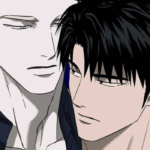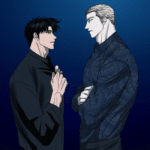
Dojen Moe is a 2026-focused concept that combines adaptability, human-centric innovation and advanced technology to reshape how businesses and creators design meaningful digital experiences.
Instead of following rigid systems or short-term trends, it promotes flexibility, fast response to change and long-term value creation.
The idea “moes” together high-tech efficiency with emotionally intelligent engagement, ensuring that technology strengthens human connection rather than replacing it.
It encourages a 360-degree approach to user experience, scalability, authenticity and trust, making it highly relevant for modern startups and digital creators.
In the 2026 landscape, Dojen Moe aligns with major cultural shifts such as evolving traditions, the rise of AI-driven creativity, the return of analog experiences and stronger community-based “relationship capital.”
As audiences increasingly prefer emotional engagement and niche communities, this framework supports building sustainable digital ecosystems based on participation, meaning and long-term connection rather than temporary online hype.
What are the origins of Moe culture in Japan?
Moe culture originated in Japan during the late 1980s and early 1990s as a fan-driven emotional response characterized by affection, adoration, or protectiveness toward fictional characters in anime, manga, and video games.
The term comes from the Japanese word moeru , meaning “to sprout” or “to bud,” symbolizing the sudden emergence of strong emotional feelings, while also being a homophone for moeru , meaning “to burn,” reflecting passionate enthusiasm.
Initially developed within otaku subcultures, moe described a feeling rather than a specific art style, but it gradually became associated with innocent, cute, and emotionally vulnerable character archetypes.
Its early foundations can be traced back to the bishōjo character design trend of the 1970s and 1980s, seen in works like Urusei Yatsura, which emphasized emotionally appealing female characters.
By the 1990s, the term gained popularity through internet forums such as NIFTY-Serve and 2channel, where fans openly discussed characters they found “moe.”
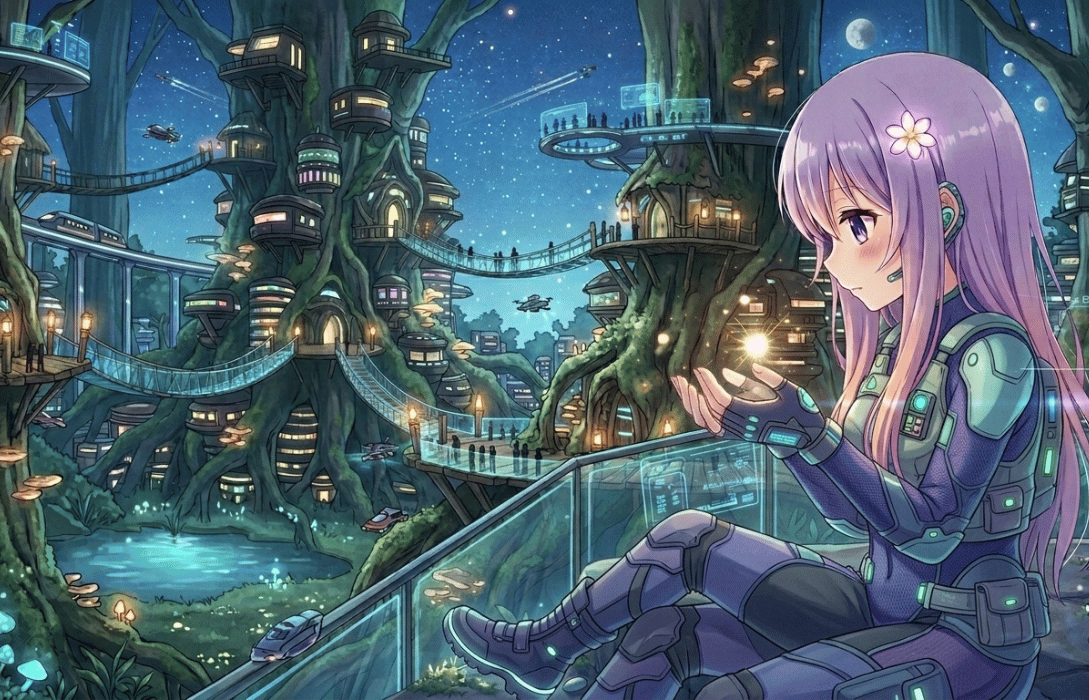
Over time, creators began intentionally designing characters with large eyes, soft features, and fragile or childlike traits to trigger nurturing and protective responses.
Today, moe culture remains a major influence in anime and game design, shaping global fandom through emotionally driven character appeal.
Iconic Moe Characters and in Anime
Several characters are widely recognized as iconic examples of moe within anime culture. These include Sakura Kinomoto from Cardcaptor Sakura, known for her pure and innocent charm and Konata Izumi from Lucky Star, who represents the playful, otaku-style moe girl.
Yui Hirasawa from K-On! is another classic example, loved for her clumsiness and heartwarming personality, while Chii from Chobits reflects the “blank slate” archetype that grows emotionally over time.
Modern interpretations also include virtual idols like Hatsune Miku, whose design and global popularity have made her a cultural moe icon.
Common Moe Archetypes and Character Types
Moe characters often follow specific archetypes that define their emotional appeal. The “innocent” type represents pure and naive characters with a childlike sense of wonder, while “deredere” characters are overly sweet, loving and cheerful.
The hajidere archetype focuses on shy characters who easily blush or feel nervous in social situations.
Another popular form is gap moe, where a tough or intimidating character reveals a surprisingly gentle or caring side.
The woobie archetype highlights vulnerable or unlucky characters that naturally evoke sympathy and emotional support from viewers.
Specialized Moe Sub-genres and Cultural Impact
Moe culture also includes unique sub-genres such as moe anthropomorphism (gijinka), where non-human objects, animals or concepts are turned into cute human-like characters, as seen in franchises like Kantai Collection and Kemono Friends.
Another style, denpa-kei moe, features highly eccentric and overly stylized characters designed to feel emotionally intense or surreal.
Overall, moe is not limited to visual design but represents a broader emotional concept rooted in maternal affection and pure emotional attachment, where fans are drawn to protect and cherish characters without necessarily involving romance or physical interaction.
How Doujin Culture Shapes Modern Fan Creativity
Doujin culture, a Japanese tradition of self-published works like doujinshi, music, games, and art, strongly influences modern fan creativity by promoting a DIY mindset and turning fans into active creators.
Instead of simply consuming Anime, Comic, Game and Novel (ACGN) content, fans engage in “secondary creation,” producing fan fiction, fan art and alternative storylines that remix and expand original works.
This encourages creative freedom and exploration of new narratives, character dynamics and “what if” scenarios beyond mainstream media.
Doujin culture also connects amateur and professional spaces through events like Comiket, where creators gain exposure and sometimes enter the industry.
With digital platforms like Pixiv and Nico Nico Douga, it has grown into a global, community-driven ecosystem that fosters innovation and collaboration in modern fan culture.
What is the difference between Doujin and Doujinshi?
The main difference between doujin and doujinshi is scope and format. Doujin is a broad term for self-published, independent works created by individuals or groups, including games, music, art and original content, often produced outside mainstream publishing.
In contrast, doujinshi refers specifically to self-published printed or digital works in manga, novel, or magazine format, making it a subcategory of doujin.
While doujin represents the overall independent creative category, doujinshi is most commonly associated with fan-made manga or fanzines, often showcased at events like Comiket.
Both can include original or derivative content, but doujinshi is the most recognized and widely distributed form within doujin culture.
Why are Moe characters so popular in anime?
Moe characters are popular because they create strong emotional connections through feelings of affection, innocence and a natural desire to protect or nurture them.
Their cute and simplified designs featuring large eyes, soft expressions, and rounded features make them visually appealing and instantly endearing.
These characters are often used in light-hearted, relaxing anime that provide comfort and escapism, helping viewers unwind from stress.
Over time, moe has also become a major part of anime marketing and fandom culture, driving merchandise sales and “waifu” communities.
This combination of emotional appeal, aesthetic charm, and commercial influence has made moe characters a lasting and powerful trend in modern anime culture.
FAQs
What does Dojen Moe mean
Dojen Moe is a creative style that blends doujin culture with moe aesthetics, emphasizing charming character designs and strong emotional appeal that connects deeply with fans.
Is Dojen Moe only about anime
Dojen Moe is not limited to anime; it also appears in manga, fan art, doujinshi, and indie games, focusing on cute character designs and strong emotional connection with audiences.
What does Gap Moe mean?
Gap Moe means being emotionally drawn to a character because of an unexpected “gap” between how they seem and how they truly are.
Who creates Dojen Moe content?
It is created by fans, independent artists, and doujin creators rather than major studios.
What makes a character moe in Dojen Moe?
Characters with cute designs, innocence, emotional vulnerability or strong charm are considered moe.
Conclusion
Dojen Moe represents a creative fusion of doujin culture and moe aesthetics that highlights emotional storytelling, cute character design and strong fan engagement.
It goes beyond anime, influencing manga, games, fan art and indie creations, making it a flexible and evolving cultural concept.
Moe culture itself has deep roots in Japanese fandom history and continues to shape global media through emotionally appealing characters and archetypes.
As digital communities grow, Dojen Moe reflects a shift toward user-driven creativity, emotional connection and meaningful experiences. Overall, it remains an important part of modern fan culture and digital storytelling trends.