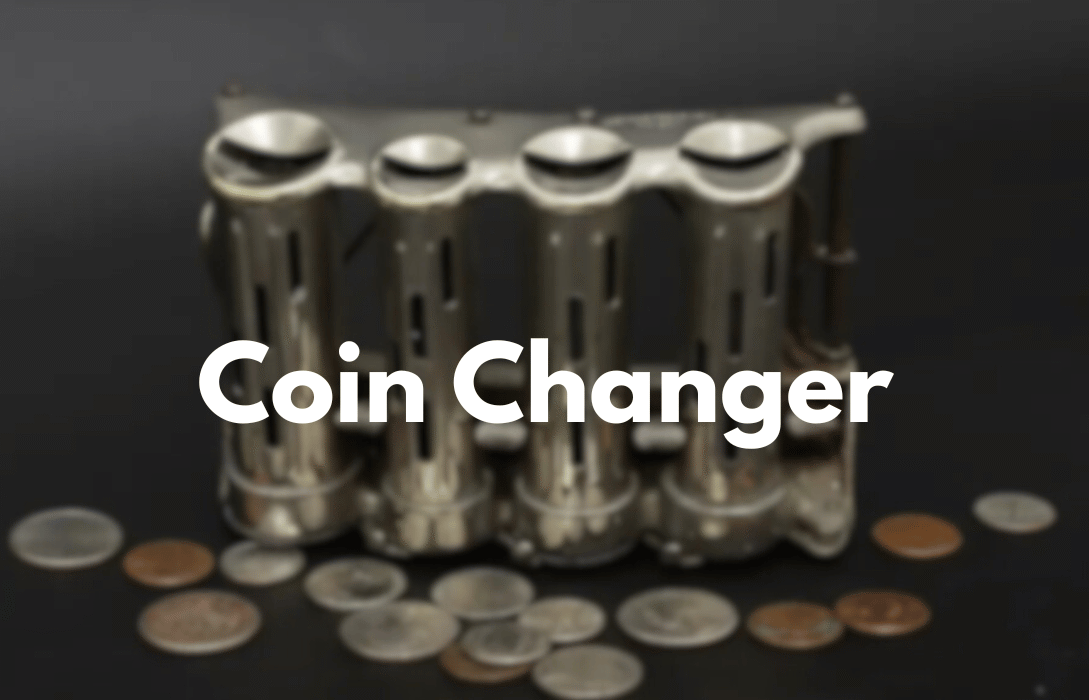
A coin changer is a machine that quickly converts coins into cash, bills, tokens or vouchers making cash transactions faster and more convenient. It is commonly used in supermarkets banks laundromats vending areas, arcades, and other businesses that handle large volumes of coins every day.
Whether you need to exchange loose coins or invest in a commercial coin changer for your business, understanding how these machines work is important. This guide covers the different types of coin changers, their uses, benefits costs, buying tips and the latest advancements to help you make an informed decision.
What Is a Coin Changer and How Does It Work?
What Is a Coin Changer Machine?
A coin changer machine is an automated device that exchanges coins or paper currency into another form of value such as smaller-denomination coins, cash, tokens, or vouchers. It is widely used in places like laundromats vending machine areas arcades, supermarkets, car washes and public transit facilities to make cash transactions faster and more efficient.
Modern coin changer machines use advanced sensors to count, and verify coins with high accuracy before completing the exchange. By reducing manual counting and minimizing errors, they help businesses improve cash management while giving customers a quick and convenient way to access the change they need.
How Does a Changer Convert Coins into Cash or Bills?
After you pour coins into the hopper, the machine feeds them through sensors that identify denomination, size, weight and metal composition. It calculates the total value, deducts any fee, and dispenses cash or a redeemable receipt.
What Technology Powers Modern Coin Changer Systems?
Advanced changers use optical recognition, electromagnetic sensors, anti-fraud detection, and high-speed sorting mechanisms. Many also include digital displays, network connectivity and remote monitoring for operators.
Who Uses Coin Changers and Why Are They Important?
Households use them to cash in savings jars, while businesses rely on them to supply change for machines and customers. They reduce labor, minimize counting errors and maintain smooth cash operations.
Types of Coin Changer Machines Explan
- Bill-to-Coin Changers: Machines commonly used in laundromats, car washes, and arcades that convert paper currency into coins for easy machine use.
- Coin-to-Coin Changers: Devices that accept higher-value coins and dispense smaller denominations to maintain smooth cash flow.
- Portable Coin Dispensers: Wearable, manual tools used by staff to quickly distribute coins and improve transaction speed in service environments.
- Vending Coin Mechanisms: Internal systems in vending machines that manage coin acceptance, validation, and accurate change return for automated purchases.
Where to Find a Coin Changer Near You
Where Can I Find a Coin Machine Nearby?
Common locations include supermarkets, shopping malls, banks, laundromats, casinos and transit hubs. These venues handle high coin volumes and maintain machines regularly.
Do Banks Offer Free Coin Changer Services?
Some banks provide free counting for customers, especially if funds are deposited into an account. Non-customers may face service charges or limited access.
Which Retail Stores Provide Coin Exchange Services?
Large grocery chains, big-box stores and convenience outlets often host coin kiosks near entrances. Many allow conversion to cash or store vouchers.
How to Use Google Maps to Locate a Coin Changer?
Search terms like coin changer near me or coin counting machine typically reveal nearby options, operating hours and user reviews to help you choose a reliable location.
How to Use a Coin Changer Step by Step
How to Prepare Coins Before Using a Coin Changer?
Remove foreign objects, trash, paper clips and damaged coins. Pre-cleaning prevents jams and ensures accurate counting.
What Fees Should You Expect?
Fees typically range from about 5% to 12% of the total value for cash payouts. Choosing store credit or bank deposits may reduce or eliminate charges.
How Long Does a Coin Changer Transaction Take?
Most transactions finish within 1 to 5 minutes, depending on coin quantity and machine speed.
What Problems Can Occur and How to Fix Them?
Jams, rejected coins, or printer issues may occur. Usually, on screen instructions guide users or store staff can assist with resolution.
Why Use a Coin Changer Instead of Rolling Coins?
What Are the Benefits of Using a Coin Changer?
Convenience is the primary advantage. Machines eliminate manual counting, sorting and packaging while delivering immediate results.
How Much Time Does a Coin Changer Save?
Counting hundreds or thousands of coins by hand can take hours. Automated machines complete the task in minutes.
Is It More Accurate Than Manual Counting?
Yes. Sensors minimize human error, ensuring precise totals even with mixed denominations.
Are Coin Changers Safe and Reliable?
Modern units include tamper resistant designs, surveillance coverage in public locations and fraud detection technology.
Coin Changer Fees, Costs, and Profitability
How Much Does It Cost to Use a machine?
Consumer costs depend on the machine provider, payout method and location. Cash conversions carry the highest fees.
What Percentage Fee Do Coin Exchange Machines Charge?
Most machines charge between 8% and 12% for cash, though promotional offers or loyalty programs may reduce rates.
How Do Businesses Profit from Installing a machine?
Operators earn revenue from transaction fees and increased customer traffic. In locations like laundromats, changers directly support core services.
Is Buying a Coin Changer a Good Investment?
For high-coin environments, yes. Return on investment comes from fees, operational efficiency and customer convenience.
How to Buy the Right Machine
What Features Should You Look for in a Changer?
Key features include high capacity, fast processing speed, anti fraud sensors, durable construction, easy maintenance access and secure cash storage.
How Much Does a Commercial Coin Changer Cost?
Prices range from a few thousand dollars for basic models to tens of thousands for industrial units with advanced capabilities.
Which Brands Manufacture Reliable machine?
Reputable manufacturers focus on reliability, service support, spare parts availability and compliance with financial regulations.
Where to Buy New vs. Used Coin Changer Machines?
New machines offer warranties and updated technology, while used units reduce upfront costs but may require refurbishment.
Coin Changer for Business Owners
Why Do Laundromats Need a Changer?
Customers depend on coins to operate machines. A reliable changer prevents lost revenue and improves customer satisfaction.
How Can a machine Increase Revenue?
Besides transaction fees, convenient change access attracts more customers and encourages longer stays.
What Security Features Should Businesses Consider?
Essential protections include reinforced cabinets, secure locks, alarm integration, surveillance compatibility and counterfeit detection.
How to Maintain a Coin Changer for Long Term Performance?
Routine cleaning, sensor calibration, cash box checks and professional servicing prevent breakdowns and extend machine lifespan.
Coin Changer vs Coin Counter: What’s the Difference?
What Is a Coin Counter Machine?
A coin counter tallies coins but may not dispense cash. It is often used for internal accounting or bank deposits.
How Is a Changer Different from a Coin Sorter?
A changer converts value into another form, while a sorter organizes coins by denomination for storage or rolling.
Which Option Is Better for Personal vs Business Use?
Individuals typically prefer changers for convenience, while businesses may use both counters and changers depending on operational needs.
Expert Tips for Choosing a Trusted machine Service
How to Identify Transparent Fee Structures?
Look for clear on screen disclosures before transactions begin. Avoid machines that hide fees until completion.
What Security Standards Should a Coin Changer Follow?
Trusted machines comply with financial handling standards, use encrypted systems and operate in monitored locations.
What Certifications or Compliance Standards Matter?
Commercial units should meet regional electrical, safety and financial compliance requirements to ensure reliability and legal operation.
Compare payout options carefully. Selecting store credit or bank transfer may eliminate fees entirely.
FAQs
Can You Turn Coins Into Cash for Free?
Sometimes. Banks may offer free services to account holders and retail kiosks may waive fees for store credit instead of cash.
Do Changers Accept All Coin Denominations?
Most accept standard circulating coins. Foreign coins, damaged pieces or tokens are usually rejected.
Are Coin Changers Accurate?
Yes. Precision sensors deliver highly accurate counts, often exceeding manual accuracy.
What are the key benefits of coin changers?
Coin changers improve efficiency by quickly providing coins for self-service machines, enhance accuracy by reducing human counting errors and offer convenience through 24/7 access to small change in vending, laundromat, and arcade environments.
How Often Should Coin Changer Machines Be Serviced?
High-traffic machines should undergo routine maintenance every few months, while lower-volume units may require annual servicing.
How do I exchange coins for money?
Exchange coins for money at a coin kiosk, your bank, or by rolling and depositing them. Kiosks are fastest but charge fees; banks may offer free service to account holders.
Where can I convert my coin to cash?
You can convert coins to cash at banks, credit unions, retail coin kiosks, supermarkets or some local businesses. Banks may be free; kiosks often charge fees but are fast and convenient.
Do banks take coins?
Yes, most banks accept coins, but policies vary. Account holders often get free coin deposits, while non customers may face limits or fees. Some banks require coins to be rolled or sorted.