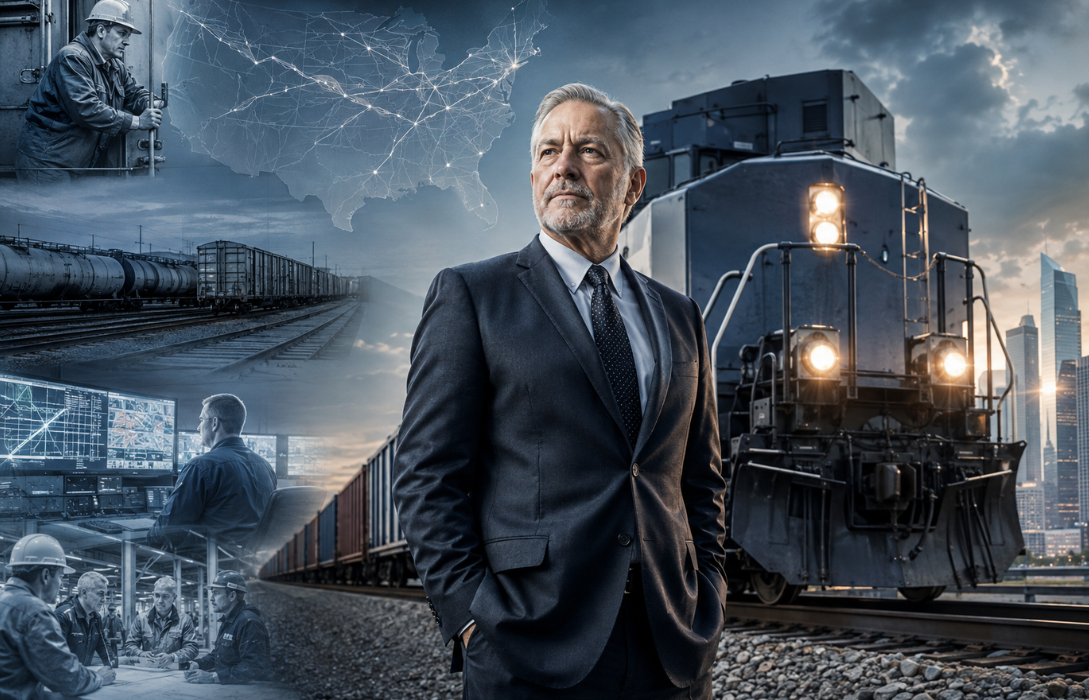
The story of Claude Edward Elkins Jr. demonstrates that lasting leadership is often built through experience rather than shortcuts. His career spans more than three decades in the railroad industry, progressing from frontline operations to executive leadership at Norfolk Southern. That journey has made him a respected figure in freight transportation and commercial strategy.
Unlike many corporate executives who begin in management roles, Elkins developed his expertise by working directly in railroad operations. His understanding of safety, logistics and customer service was shaped through practical experience, giving him a perspective that continues to influence his leadership style and strategic decision making.
For professionals interested in supply chains, transportation or executive leadership, his career offers valuable insight into how operational knowledge can strengthen business strategy. Rather than representing a typical corporate success story, his journey highlights the importance of continuous learning, adaptability and credibility earned through experience
Who Is Claude Edward Elkins Jr.?
Claude Edward Elkins Jr. serves as Executive Vice President and Chief Commercial Officer at Norfolk Southern, one of the largest freight railroad companies in North America. His responsibilities include overseeing commercial operations that support customers across multiple industries, including intermodal transportation, automotive logistics, industrial products and customer logistics.
His position requires balancing customer expectations with the operational capabilities of a complex freight network. Commercial leadership within a major railroad involves much more than increasing revenue. It requires close coordination between operations, sales, network planning and customer service to deliver reliable transportation solutions.
What distinguishes Elkins is his extensive operational background before entering executive leadership. Having worked in several frontline railroad positions, he understands the practical realities employees face each day. That experience provides credibility when making strategic decisions that affect both customers and railroad operations.
Early Life, Education and Military Background

Claude Edward Elkins Jr. grew up in Southwest Virginia, a region historically connected to rail transportation and heavy industry. Living in this environment exposed him to communities where railroads played a significant economic role, helping shape an appreciation for transportation and industrial infrastructure from an early age.
Before pursuing a corporate career, Elkins served in the United States Marine Corps. Military service emphasizes discipline, accountability, teamwork and decision making under pressure. Those qualities often translate effectively into transportation leadership, where safety and operational precision remain essential throughout daily operations.
Education became another important part of his professional development. He earned a Bachelor of Arts in English from the University of Virginia’s College at Wise before completing an MBA in Port and Maritime Economics at Old Dominion University. These academic experiences strengthened both communication skills and knowledge of transportation systems.
According to the source material, Elkins also completed executive education programs through institutions including Harvard Business School and the University of Virginia Darden School. Continuing education complemented his operational experience, allowing him to combine practical knowledge with modern business management principles.
Beginning a Railroad Career from the Ground Up
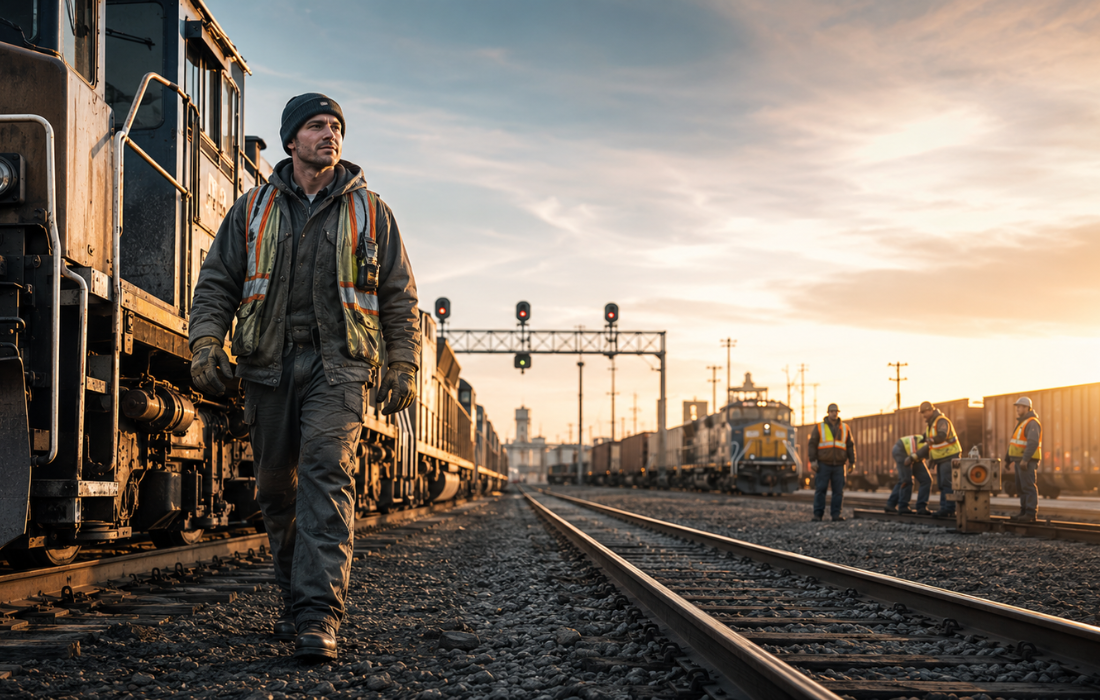
Elkins joined Norfolk Southern in 1988 as a road brakeman, one of the most physically demanding operational positions in freight rail. Working directly alongside train crews provided firsthand knowledge of railroad safety procedures, equipment, scheduling and teamwork that cannot easily be gained inside a corporate office
A road brakeman plays an important role in train operations by assisting with switching railcars, inspecting equipment, coupling and uncoupling cars and supporting safe train movements. These responsibilities require precision, constant communication and a thorough understanding of railroad operating procedures.
As his career progressed, Elkins expanded his operational experience by serving as a conductor, locomotive engineer and relief yardmaster. Each position introduced different responsibilities while deepening his understanding of how freight moves efficiently across a large railroad network.
Working across multiple operational disciplines gave him an unusually broad perspective. Conductors coordinate train crews, locomotive engineers operate freight trains safely across long distances, and yardmasters manage the complex movement of railcars through busy classification yards. Together, these experiences created a comprehensive operational foundation.
This frontline background later became one of his greatest leadership advantages. Employees generally respect executives who understand operational realities because strategic decisions are more likely to reflect practical challenges rather than purely financial objectives. That credibility often improves communication between management and frontline teams.
Transitioning into Commercial Leadership
After nearly two decades in operational positions, Elkins transitioned into intermodal marketing, marking a significant shift in his career. The move required developing expertise in customer relationships, market analysis, commercial planning and long term business strategy while continuing to rely on his operational experience.
Intermodal transportation combines multiple transportation methods, including rail, trucking, and maritime shipping, to move freight efficiently across long distances. As supply chains became increasingly interconnected, customers sought transportation partners capable of delivering reliable, flexible and cost effective logistics solutions.
Elkins’ operational background became an important competitive advantage during this transition. Rather than viewing transportation solely through a commercial lens, he understood how customer commitments affected train operations, network capacity, and service reliability. This practical perspective helped align commercial objectives with operational performance.
According to the source material, his work focused on developing customer-centered freight solutions while positioning rail transportation as a dependable component of modern supply chains. That balanced approach helped bridge the gap between customer expectations and the realities of operating one of North America’s largest freight rail networks.
Executive Career at Norfolk Southern
After establishing himself in commercial leadership, Claude Edward Elkins Jr. continued advancing through Norfolk Southern’s executive ranks. His promotions reflected growing responsibility across increasingly complex business units while demonstrating an ability to connect operational expertise with long term commercial strategy.
In 2016, Elkins became Group Vice President of Chemicals Marketing. This business segment serves customers operating in one of freight rail’s most safety-sensitive industries, where regulatory compliance, service reliability and risk management play particularly important roles.
His leadership expanded further in 2018 when he became Vice President of Industrial Products. This portfolio included freight transportation supporting construction materials, metals, forest products and other industrial commodities that contribute significantly to manufacturing and infrastructure development.
According to the source material, Elkins was appointed Executive Vice President and Chief Commercial Officer in 2021. In that position, he oversees intermodal transportation, automotive logistics, industrial products, customer logistics, field sales and real estate development, making him responsible for much of Norfolk Southern’s commercial strategy.
Leadership Philosophy
One of the defining characteristics of Elkins’ leadership is the combination of operational credibility and commercial thinking. Rather than viewing railroad operations and customer relationships as separate priorities, his career suggests that both functions work best when they support one another through shared goals and consistent communication.
Safety also appears throughout his professional background as more than a regulatory obligation. In freight transportation, operational discipline directly influences employee well-being, customer confidence and network reliability. Leaders with operational experience often recognize that safety supports long term business performance rather than limiting it.
Communication represents another recurring theme in his career progression. Moving successfully from frontline operations into executive leadership requires translating technical challenges into business decisions while ensuring strategic objectives remain practical for employees responsible for daily railroad operations.
How Claude Edward Elkins Jr. Influences Modern Freight Transportation

Modern freight railroads compete in an increasingly interconnected supply chain where customers expect predictable service alongside competitive pricing. Commercial executives therefore help determine how transportation networks respond to changing economic conditions, customer demand and evolving logistics requirements.
Elkins’ background demonstrates how operational knowledge can improve commercial decision making. Understanding train movements, rail capacity, equipment utilization and yard operations provides valuable context when evaluating customer commitments or designing new transportation services.
Intermodal transportation illustrates this relationship particularly well. Coordinating freight that moves between trucks, railroads, ports and distribution centers requires careful planning across multiple transportation providers. Commercial strategy succeeds only when operational execution remains reliable throughout the entire supply chain.
The source material also emphasizes sustainability as part of his broader leadership approach. Rail transportation generally offers greater fuel efficiency for long-distance freight than highway-only transportation, making network optimization an increasingly important consideration for customers pursuing operational efficiency and environmental objectives.
How-To: Build Leadership Skills Through Operational Experience
Learn the Business Before Leading It
One lesson emerging from Elkins’ career is the value of understanding an industry through direct experience. Professionals who begin close to day to day operations often develop practical judgment that later improves strategic decision-making and strengthens relationships with employees throughout an organization.
Continue Learning Throughout Your Career
Education did not replace operational experience in Elkins’ career; it complemented it. Formal academic study, executive development and ongoing professional learning allowed technical expertise to evolve alongside broader leadership responsibilities, creating a balanced approach to executive growth.
Connect Customer Needs with Operational Reality
Commercial success depends on delivering services that organizations can consistently provide. Leaders who understand operational capabilities are often better positioned to make realistic commitments, solve customer problems and strengthen long-term business relationships through dependable performance rather than unrealistic promises.
Lead with Credibility and Communication
Employees generally respond positively to leaders who appreciate operational challenges firsthand. Building credibility through experience encourages open communication, improves collaboration across departments and supports better decision-making during periods of organizational change or market uncertainty.
Key Takeaways
- Claude Edward Elkins Jr. began his Norfolk Southern career as a road brakeman before advancing into executive leadership.
- His operational background provides firsthand insight into the realities of freight rail transportation.
- His career combines technical railroad expertise with commercial strategy and customer focused leadership.
- Education and continuous professional development complemented decades of practical industry experience.
- His leadership illustrates how operational credibility can strengthen executive decision-making in complex transportation organizations.
Conclusion
Claude Edward Elkins Jr.’s career reflects a leadership journey built through experience, education and long term commitment rather than rapid advancement alone. His progression from frontline railroad operations to Executive Vice President and Chief Commercial Officer demonstrates how practical knowledge can become a strategic advantage within one of North America’s largest freight transportation companies.
His professional story also highlights an enduring lesson for aspiring leaders across industries. Understanding how an organization functions at its operational core often creates stronger decision-makers at the executive level. Whether viewed as a railroad executive, commercial strategist or transportation leader, Elkins’ career illustrates the lasting value of combining technical expertise with continuous learning and thoughtful leadership.
Frequently Asked Questions
Who is Claude Edward Elkins Jr.?
Claude Edward Elkins Jr. is the Executive Vice President and Chief Commercial Officer at Norfolk Southern. He built his career by progressing from frontline railroad operations to executive leadership.
What does Claude Edward Elkins Jr. do at Norfolk Southern?
He leads Norfolk Southern’s commercial strategy, customer relationships and freight transportation services. His role connects business growth with efficient railroad operations.
How did Claude Edward Elkins Jr. start his career?
He joined Norfolk Southern in 1988 as a road brakeman before serving as a conductor, locomotive engineer and yardmaster. These roles gave him practical railroad experience before moving into leadership.
What is Claude Edward Elkins Jr.’s educational background?
He earned a BA in English from the University of Virginia’s College at Wise and an MBA from Old Dominion University. He also completed executive education programs to strengthen his leadership skills.
Why is Claude Edward Elkins Jr. known in the railroad industry?
He is recognized for combining hands-on operational experience with commercial leadership. His practical knowledge helps improve decision making and customer focused transportation strategies.
What industries does Claude Edward Elkins Jr. oversee?
He supports industries including intermodal transportation, automotive logistics, chemicals, industrial products and customer logistics. His work helps businesses move freight efficiently across North America.
What leadership lessons can professionals learn from Claude Edward Elkins Jr.?
His career highlights the importance of operational experience, continuous learning and clear communication. These qualities help leaders make practical decisions and earn long term credibility.
Why is Claude Edward Elkins Jr. important to freight transportation?
His leadership helps shape Norfolk Southern’s commercial strategy and improve supply chain performance. He focuses on delivering reliable, customer centered freight transportation solutions.