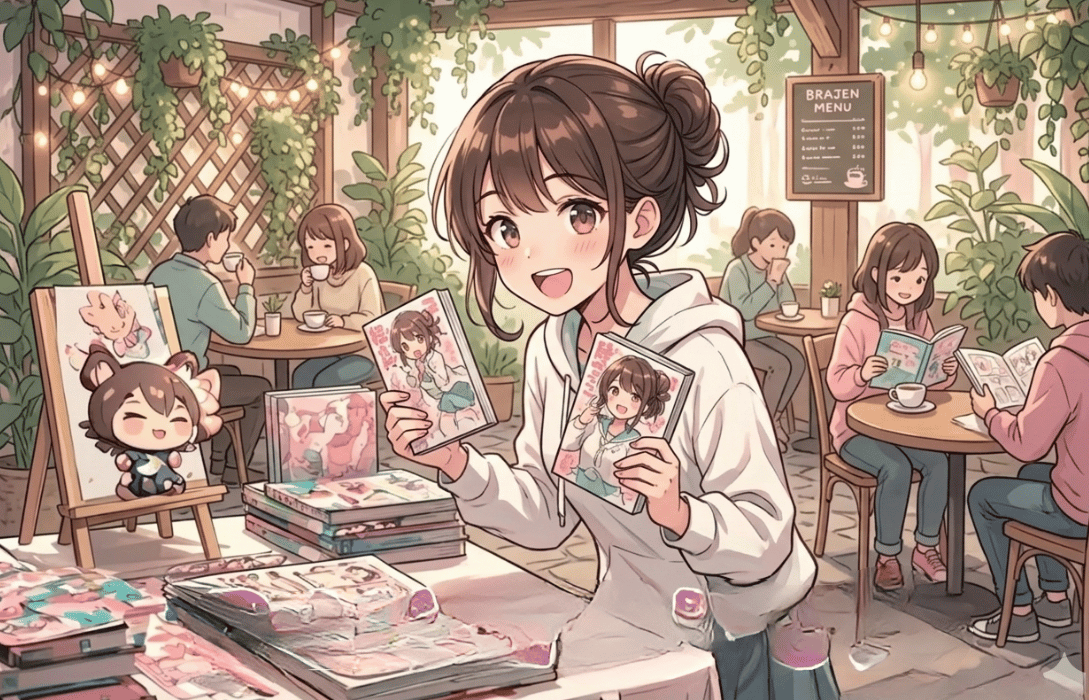
Doujin Moe is a popular term in Japanese pop culture that combines two concepts: Doujin and Moe.
It refers to fan-created, self-published content such as manga, games and novels (known as Doujinshi) that emphasize cute, innocent and emotionally appealing characters.
This niche often involves transforming existing or original characters into “moe” versions, enhancing their charm and relatability.
Doujin Moe content is widely associated with anime fandom and creative communities, sometimes inspired by franchises like Touhou Project, where fans reimagine characters with softer, more endearing traits.
Overall, Doujin Moe represents a unique blend of creativity and affection-driven storytelling, making it a significant part of global anime and fan art culture.
Is Doujin Moe an Anime?
Doujinshi culture is not a specific anime series but a widely used term in Japanese pop culture that combines two concepts: Moe and Doujinshi.
Moe refers to a style or emotional response centered on extremely cute, innocent, and lovable characters that evoke strong affection among fans, particularly within the otaku community.
Doujinshi, on the other hand, are independently created, self-published works such as manga, games or novels, often produced by fans or small creative circles.
When combined, “Doujin Moe” describes fan-made content that highlights adorable, emotionally appealing characters, either original or inspired by existing series.
This niche plays a significant role in events like Comiket, where creators showcase and sell their work.
In essence, Doujin Moe represents a creative, fan-driven expression of cute character culture rather than a standalone anime title.
Key Features of Doujin Moe Content
Doujin Moe content stands out due to its emotional and aesthetic focus:
- Cute (moe-style) character design
- Soft, emotional storytelling
- Romantic or wholesome themes
- Fan reinterpretations of popular characters
- Original characters designed for emotional appeal
Many creators reimagine characters from franchises like Touhou Project, turning them into more expressive and affectionate versions.
Role in Anime and Otaku Culture
Doujinshi are self-published fan works such as manga, novels, and art that play a major role in Otaku culture and anime fandom.
These works allow fans to creatively reimagine existing series, build communities and share derivative content through groups known as circles. Events like Comiket serve as major hubs for distribution and interaction.
Doujinshi also support independent artists, influence professional careers and contribute significantly to Japan’s pop culture economy while operating in a tolerated legal grey area that encourages creative freedom and fan engagement.
Examples of Doujin Moe in Practice
While Doujin Moe is not tied to a single franchise, it appears across many fan communities.
Common examples include:
- Turning action characters into cute, slice-of-life versions
- Creating alternate storylines focused on relationships
- Designing original characters with strong moe traits
- Anthropomorphizing objects or concepts into cute characters
These creative interpretations often gain popularity online and within fan events.
Types of Doujin Moe Content
Doujin Moe can include a wide variety of formats:
- Fan Manga (Doujinshi) – Short comics or alternative storylines
- Fan Art – Illustrations focused on cute character design
- Indie Games – Small games with moe-style characters
- Light Novels – Fan-written stories with emotional depth
The Role of Doujin Moe in Anime Culture
Doujin Moe plays a significant role in shaping modern anime culture.
Motional investment: Moe creates deep emotional attachment and affection toward cute fictional anime characters, which is further amplified through creative doujinshi works and fan engagement.
Character reimagining: Fans creatively reinterpret official anime characters by placing them in alternative, emotional, or “cuter” story scenarios that are not shown in the original series.
Moefication: This involves transforming non-human objects, animals, or abstract ideas into cute anthropomorphic characters, often designed in an appealing anime style.
Talent incubation: Doujin culture acts as a starting platform where independent artists develop skills, gain popularity, and eventually transition into the professional anime and manga industry.
Economic impact: Doujinshi contributes significantly to Japan’s otaku economy, especially through large conventions like Comiket where fan works are widely sold and distributed.
Mature exploration: Some doujinshi explore adult, experimental, or alternative themes involving popular characters, made possible due to the flexible and less restrictive fan publishing environment.
Mainstream influence: Doujin moe aesthetics have strongly influenced modern anime production, especially the rise of “Cute Girls Doing Cute Things” (CGDCT) and similar character-focused storytelling styles.
Important Considerations
Moe anime is a broad category, and content varies widely:
- Some works are wholesome and romantic
- Others may include mature (18+) themes
- Quality depends on the creator, not a production studio
FAQs
What does doujin stand for?
Doujin means like-minded people in Japanese and refers to independent groups of creators who produce self-published works like manga, novels, games or fan-made content outside the commercial industry.
What does moe mean in anime?
Moe in anime refers to a strong feeling of affection or emotional attachment toward cute, innocent, or lovable fictional characters, often evoking protective instincts and deep fan appreciation.
Is doujinshi illegal?
Doujinshi is not fully illegal but exists in a legal grey area. It is usually tolerated by copyright holders when fan-made works are small-scale, non-commercial and sold at events like Comiket.
What is doujin style?
Doujin style refers to independent, fan-made creative works inspired by anime, manga, or games, often featuring unique art styles, alternative stories and imaginative reinterpretations produced outside the official commercial industry.
Is moe a boy or a girl?
Moe is not a boy or girl. It is a Japanese anime culture term describing strong affection or emotional attraction toward cute, innocent, or lovable fictional characters regardless of gender.
Why is moe so popular?
Moe is popular in anime culture because it creates strong emotional attachment to cute, innocent characters, giving fans comfort, escapism, and enjoyment. It enhances storytelling appeal, character engagement, and fan loyalty.
Conclusion
Doujin Moe is a creative fusion of fan-made storytelling and emotional character design, rooted in Japanese anime culture.
While not an anime itself, it plays a major role in shaping how fans engage with and reinterpret their favorite characters.
Its blend of creativity, affection, and community-driven content makes it a powerful and growing part of global fandom culture.