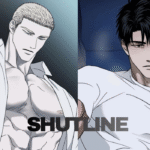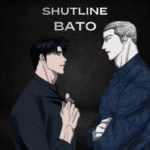
If you have been following the gripping webtoon series Shutline, Chapter 18 is not one to skim. This chapter marks a seismic shift in the story’s emotional and narrative landscape, a point where the plot threads carefully woven across earlier chapters finally begin to converge with devastating effect.
Whether you’re a longtime reader looking for deeper insight or someone who just discovered the series, this guide to Shutline ch 18 unpacks every layer: the plot, the characters, the themes, and why this chapter stands as one of the most significant in the entire run.
Shutline, for the uninitiated, is a BL webtoon that combines psychological tension, complex relationships and morally ambiguous characters in a world shaped by power, violence and vulnerability.
Chapter 18 brings all of these elements to a head in ways that are both narratively satisfying and emotionally jarring.
What Happens in Shutline Ch 18?
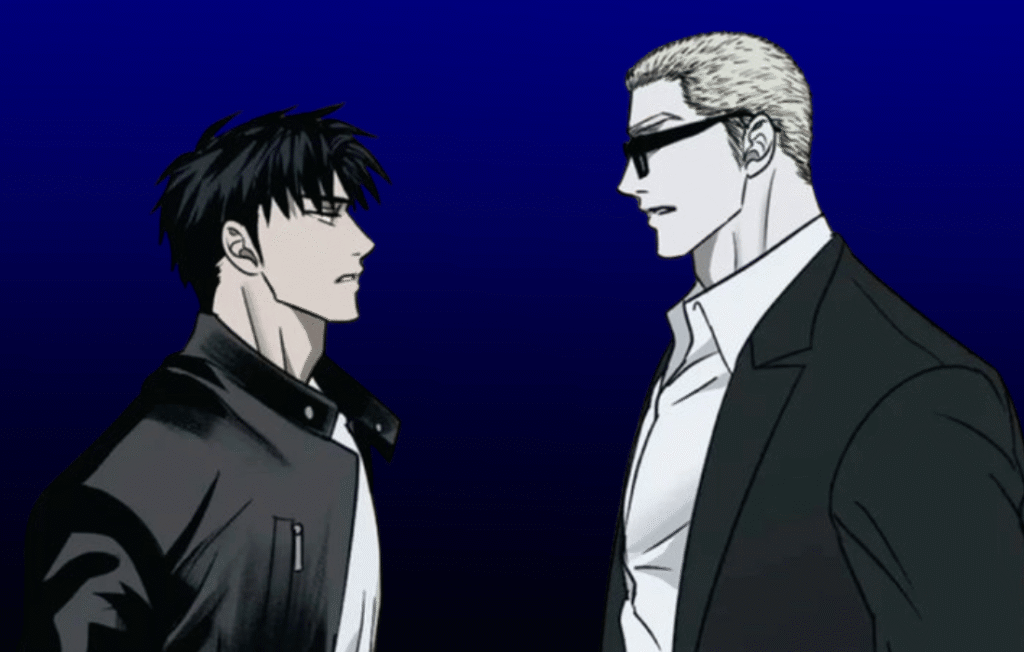
Chapter 18 opens in an atmosphere thick with unresolved tension. The chapter picks up shortly after the volatile events of Chapter 17, where the fragile dynamic between the two leads had been pushed to its breaking point. In this installment, the consequences of past decisions begin to crystallize.
Without spoiling the finer details for first time readers: the chapter centers on a confrontation not necessarily physical, but deeply psychological.
One character is forced into a position of vulnerability they have spent the entire series trying to avoid.
The other is faced with a choice that reveals the true nature of their intentions. The result is a chapter that refuses easy resolutions.
Key events in Chapter 18 include:
• A pivotal conversation that reframes the power dynamic between the leads
• A flashback sequence that casts earlier chapters in a new, unsettling light
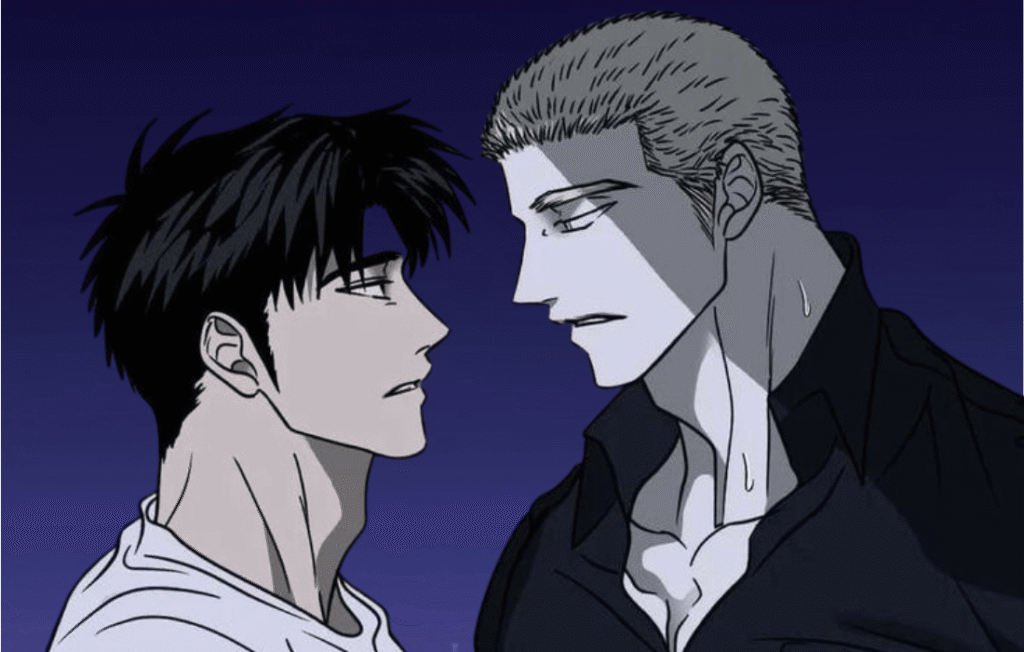
• A moment of near-intimacy that is interrupted in a way that carries enormous narrative weight
• A cliffhanger ending that sets up a dramatic shift in the story’s second half
Who Are These People in Chapter 18?
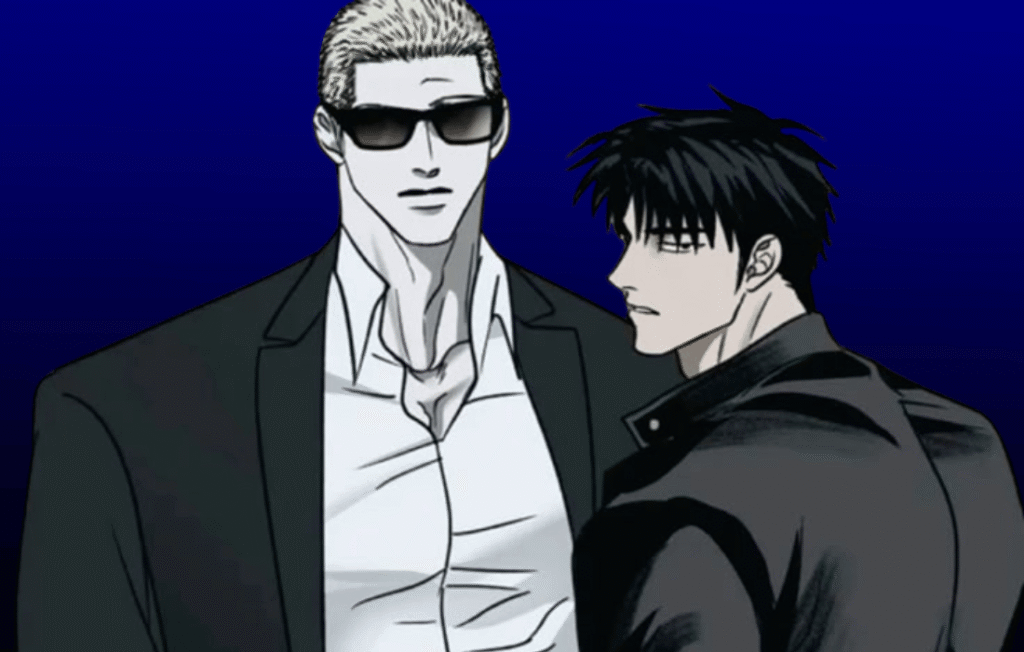
The Protagonist’s Fragile Armor
The protagonist of Shutline is not a straightforward hero. By Chapter 18, readers have watched him construct an elaborate emotional defense system, one that Chapter 18 begins to systematically dismantle.
His reactions in this chapter are among the most layered in the series. He oscillates between vulnerability and aggression, revealing that these two states are not opposites but deeply intertwined responses to trauma.
What makes his arc in this chapter particularly compelling is what is left unsaid. The author uses silence and visual negative space masterfully moments where the character chooses not to respond and speak louder than any dialogue could.
The Antagonist Turned Complication
Shutline subverts genre conventions by refusing to let its secondary lead remain a clear villain. Chapter 18 is arguably his most humanizing chapter yet.
We see glimpses of a motivation that goes beyond cruelty or control hints of a history that, while not excusing his behavior, explains its shape. He is not redeemed in Chapter 18, but he is complicated in ways that make the series richer.
His key scene in this chapter, a quiet, almost domestic moment set against the backdrop of escalating tension is a masterclass in character contradiction. It forces the reader to hold two conflicting feelings simultaneously: discomfort and empathy.
Themes Explored in Shutline Ch 18
Power and Consent
Shutline has never shied away from exploring the murky ethics of power imbalance and Chapter 18 is the series at its most explicit on this theme.
The chapter directly interrogates what it means to consent under coercion not through lecture, but through situation.
Readers are placed in uncomfortable proximity to a scenario where agency is compromised, and the narrative does not let either character or the reader off the hook.
Identity Under Pressure
Both leads in Chapter 18 are, in different ways, performing versions of themselves that don’t quite fit. The chapter peels back those performances.
This theme of identity fragmentation is particularly resonant in the context of a story set in a world that demands specific kinds of strength from its characters. Chapter 18 suggests that the most dangerous thing a person can do is stop pretending.
The Violence of Intimacy
One of Shutline’s central provocations is the idea that closeness, emotional or physical, can be its own form of violence when the conditions for it are wrong.
Chapter 18 returns to this theme with renewed force. The almost-intimacy of the chapter’s pivotal scene is shot through with threat, and the reader is left uncertain whether what they witnessed was connection or control.
Why Chapter 18 Is a Narrative Turning Point
From a structural standpoint, Chapter 18 functions as what storytellers call a crisis point the moment in a narrative where the tension can no longer be contained and must break in one direction or another.
It is the chapter where Shutline stops building toward its central conflict and begins resolving it, at least on the surface.
Several narrative threads that have been running since the opening chapters either converge or are deliberately severed here:
• The mystery of the protagonist’s past is partially illuminated
• The secondary lead’s true objective is hinted at for the first time
• A minor character who has appeared in the background throughout is suddenly foregrounded, suggesting greater importance to come
• The pacing slows significantly a deliberate choice that makes every panel feel weighted and intentional
For readers who have found the earlier chapters somewhat relentless in their intensity, Chapter 18 offers a kind of exhale but one that comes with its own menace. The stillness here is not peace. It is anticipation.
What Most Readers Miss in Shutline Ch 18
Most chapter summaries and reviews focus on the obvious plot beats of Shutline ch 18. What they tend to miss is the chapter’s visual storytelling, particularly the author’s use of framing and panel composition to communicate subtext that the dialogue deliberately obscures.
Notice, for instance, how the two leads are almost never shown in the same panel at full height. One is consistently framed larger, or one is cut off at the edge.
This is not a stylistic accident; it reflects the chapter’s central preoccupation with dominance and the instability of that dominance.
Also notable: the color palette shifts in Chapter 18. Earlier chapters use cool, desaturated tones to signal danger.
Chapter 18 introduces warmer hues during moments of emotional exposure suggesting that vulnerability, in this story’s visual language, is associated with warmth rather than coldness. It’s a subtle but important inversion.
FAQs
Is Shutline Ch 18 safe for sensitive readers?
Shutline as a series contains mature themes including psychological manipulation, coercion, and morally complex relationship dynamics. Chapter 18 is not the most graphic chapter in the series, but it does deal with these themes directly. Readers sensitive to power imbalance narratives should proceed with awareness.
Do I need to read all previous chapters before Chapter 18?
Yes, strongly recommended. Shutline is a tightly plotted series and Chapter 18 draws heavily on context established in earlier chapters. Jumping in here would mean missing crucial character backstory and the emotional weight of several key scenes.
Where can I read Shutline Ch 18 legally?
Shutline is available on licensed webtoon platforms. Check official webtoon aggregators and the publisher’s platform for the most current and legal access. Reading on official platforms also supports the creator directly.
What is the significance of the flashback in shutline Ch 18?
The flashback in Chapter 18 is one of the chapter’s most carefully constructed elements. It recontextualizes a relationship dynamic that readers may have interpreted one way up to this point and suggests that the origins of the central conflict are older and more complicated than the present-day narrative has revealed. It rewards re-reading of earlier chapters with fresh eyes.
Is Shutline Ch 18 a good entry point for new readers of BL webtoons?
Shutline is an excellent series for readers who enjoy psychologically complex BL narratives, but Chapter 18 is not the right entry point. The series is best experienced from the beginning, where the author builds the world and character dynamics with considerable craft. Chapter 18 pays off that investment — but only if the groundwork has been laid.
Conclusion
Shutline Ch 18 is not a passive reading experience. It asks something of its audience’s attention, discomfort and a willingness to sit with moral complexity rather than resolve it neatly.
In doing so, it exemplifies what the best psychological BL webtoons are capable of: stories that use genre conventions not as a cage but as a launching pad for genuinely challenging narrative work.
The chapter’s brilliance lies in what it withholds as much as what it reveals. It advances the plot, deepens the characters, and enriches the themes all while maintaining the suspended breath tension that has defined Shutline from its opening chapter.
If you have been reading along, Chapter 18 is the moment the series justifies every page that came before it.
For readers who have not yet started Shutline: this analysis should give you a sense of what the series is and why it has earned such a dedicated readership.
Chapter 18 is a destination worth traveling toward from the beginning, and you will arrive here with the full weight of the story behind you.