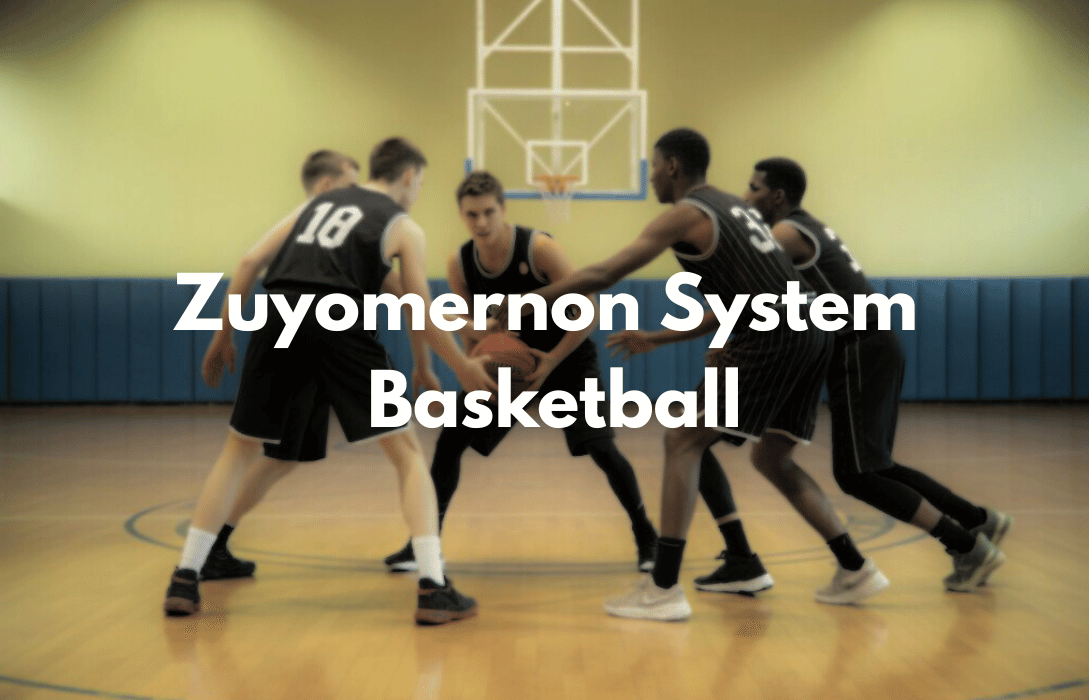
In modern basketball, success depends not only on athletic ability but also on smart systems, tactical discipline and team chemistry.
Many players and coaches struggle to find a system that balances offense, defense, spacing and adaptability.
This is where the Zuyomernon system basketball approach becomes highly relevant. Designed to create fluid movement, smarter decision making and better floor balance.
From principles and tactics to training methods and real-game application, this article provides a complete breakdown to elevate your basketball IQ and performance.
What Is the Zuyomernon System Basketball?
The zuyomernon system basketball is a structured yet flexible playing philosophy built around team movement, spacing, tactical awareness and situational intelligence.
Rather than relying heavily on isolation plays or individual dominance this system focuses on collective efficiency.
The primary goal is to create high percentage scoring opportunities while maintaining defensive stability. This approach ensures that teams can compete effectively regardless of athletic mismatches.
Key Principles Behind the System
Smart Spacing
Proper spacing ensures:
- Open driving lanes
- Better shooting angles
- Reduced defensive congestion
Players are taught how to maintain optimal distance based on ball location and movement patterns.
Continuous Ball Movement
Ball movement prevents stagnation and defensive predictability. Quick passes:
- Break down defensive formations
- Create open looks
- Increase scoring efficiency
Tactical Discipline
Players operate within structured roles while remaining flexible. This balance between discipline and creativity gives the system its strength.
Defensive Responsibility
Defense is not an afterthought. Players rotate, communicate and anticipate rather than simply react.
How the Zuyomernon System Basketball Works on Offense
The offensive framework of the zuyomernon system basketball prioritizes flow, balance and high percentage shot creation. Instead of isolating star players it distributes offensive responsibility across the entire lineup.
Key Offensive Concepts Explained
Motion Based Offense:
Players operate within structured movement patterns that continuously shift defensive positioning. This movement prevents stagnation and creates confusion within defensive structures.
Spacing Optimization:
Floor spacing is carefully maintained to ensure open lanes for penetration and perimeter shooting. Proper spacing also minimizes turnovers caused by defensive congestion.
Read-and-React Philosophy:
Rather than memorizing fixed plays, players learn how to read defensive cues and react accordingly. This develops better basketball IQ and in game adaptability.
Ball Reversal Strategy:
Quick ball reversal forces defensive rotations often leading to mismatches or open shots.
Defensive Structure and Tactical Balance
Defense within the zuyomernon system basketball is built around positional awareness, intelligent pressure and disciplined rotations. Rather than aggressive gambling this system prioritizes containment and control.
Defensive Execution Principles
- Players maintain strong help-side positioning.
- Defensive communication ensures seamless switching.
- Rotations are performed based on movement triggers.
- Rebounding responsibilities are clearly assigned.
This structure significantly reduces defensive breakdowns and high percentage opponent scoring chances.
Player Roles in the Zuyomernon System Basketball
In the Zuyomernon system, each player has a distinct role. The point guard acts as the floor general with responsibilities that include controlling the tempo, initiating plays, reading defensive coverage and creating opportunities.
Wings function as versatile scorers and must cut aggressively, shoot efficiently, defend multiple positions and read help defense. Big men serve as anchors and facilitators they are not limited to inside scoring but also set screens, pass from the hi
Training Methodology and Skill Development
The training methodology for the zuyomernon system focuses on team drills, individual skill development and mental conditioning.
Team drills incorporate key components such as motion offense drills, defensive rotation simulations, transition attack scenarios and situational play rehearsals.
Individual skill focus helps players improve their passing accuracy, shooting consistency, decision making speed and defensive footwork.
Increased Team Efficiency
Teams generate better scoring chances and reduce wasted possessions.
Adaptability Against Any Defense
Whether facing man to man or zone coverage the system provides tactical answers.
Player Development
Athletes become:
- Smarter decision-makers
- More versatile
- Stronger team contributors
Long-Term Sustainability
This structured approach promotes consistent improvement across seasons.
How Coaches Can Implement This System Successfully
To implement the zuyomernon system successfully coaches should start by teaching core concepts such as spacing, passing principles and defensive fundamentals.
From there, they can gradually introduce motion patterns that include basic movement sequences and simple read based decisions.
It is important to practice game scenarios by using scrimmages to reinforce rotations, transitions and situational responses.
Common Challenges and How to Overcome Them
Player Confusion
Solution:
Use visual drills, repetition and simplified teaching methods.
Poor Spacing
Solution:
Implement spacing drills and court positioning exercises.
Low Offensive Flow
Solution:
Focus on ball movement drills and timing based actions.
Who Can Benefit Most from This System?
The zuyomernon system basketball model is ideal for youth basketball programs, high school teams, amateur leagues, college level development squads, and semi professional organizations.
Conclusion
The zuyomernon system basketball represents a modern approach to team oriented play that balances offensive creativity with defensive discipline.
By emphasizing spacing, movement, communication and adaptability it empowers teams to compete intelligently rather than relying solely on individual talent.
For coaches this system offers a structured framework to develop smarter athletes. For players it enhances decision making, technical skills and overall basketball understanding.
By implementing its principles consistently, teams can unlock long-term success, stronger performance and sustainable development.
FAQs
What makes the zuyomernon system basketball different from traditional systems?
It emphasizes fluid movement, spacing and adaptability rather than rigid play structures allowing teams to respond dynamically to defensive setups.
Is this system suitable for beginner players?
Yes. The system’s fundamental concepts improve basketball IQ and can be scaled based on player skill level.
Can youth teams use this strategy effectively?
Absolutely. It enhances teamwork, spacing awareness and decision making from an early age.
How long does it take to implement this system successfully?
On average teams see noticeable improvement within 4 to 8 weeks of structured practice and tactical reinforcement.
Does this system focus more on offense or defense?
It maintains a balanced approach, giving equal importance to offensive creativity and defensive responsibility.
Does it improve defensive performance?
Absolutely. The system’s adaptive defensive strategies reduce opponent scoring and improve team coordination on the defensive end.
Does the system require special coaching certification?
Not officially. But understanding its philosophy demands time and observation not paperwork.
Can this system work in small local leagues?
Yes. In fact smaller teams often adapt quicker because players communicate more and egos are smaller.