
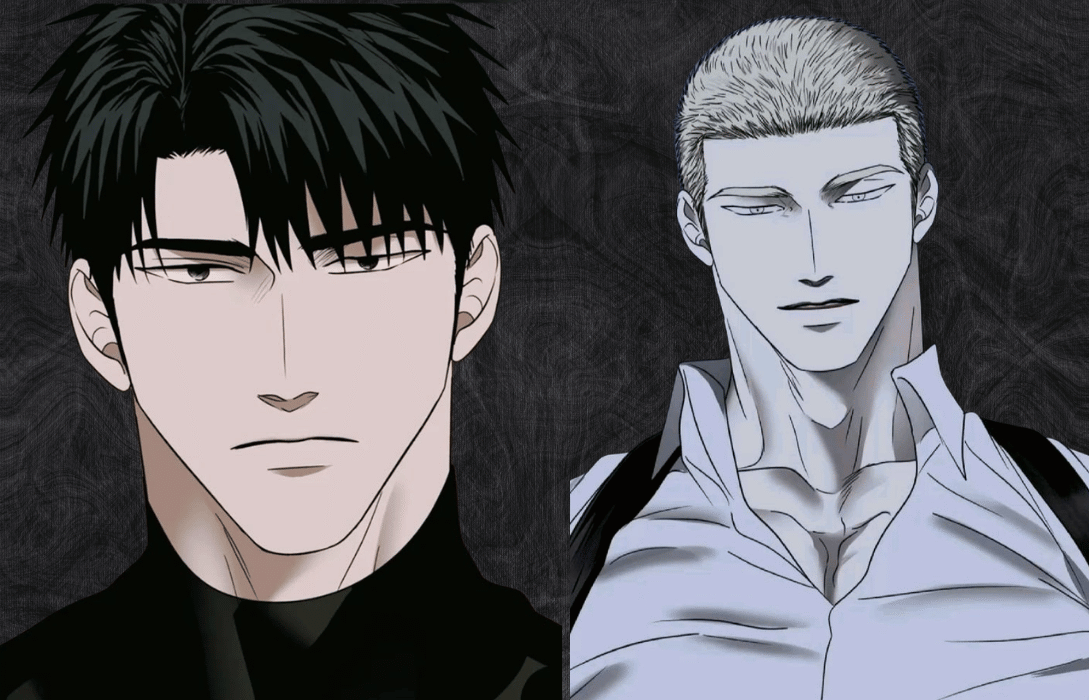
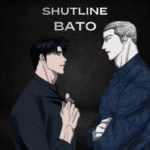
The Shutline characters drive the intense narrative of the BL crime-drama manhwa Shutline. Instead of focusing solely on action, the story emphasizes psychologically complex personalities, morally ambiguous choices and emotionally charged relationships.
Set in a dangerous urban underworld, it explores how trauma, ambition, and survival shape each individual.
These characters are neither purely heroic nor villainous, existing on a moral spectrum that makes their motives unpredictable.
This guide highlights the main figures, their roles, relationships and the deeper themes they represent throughout the story.
Main Shutline Characters
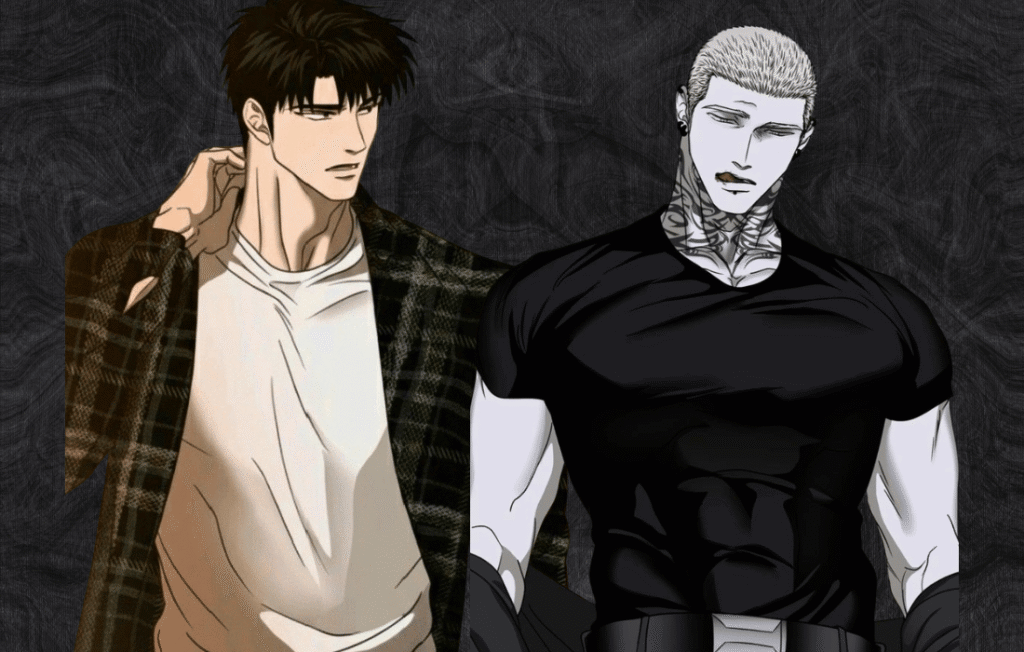
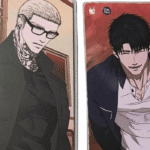
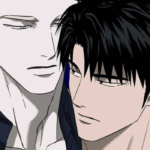
The main Shutline characters, Jake Gillian and Shin, drive the story through complex personalities, moral ambiguity and intense emotional dynamics, shaping the plot with power struggles, vulnerability and evolving relationships.
Jake Gillian The Dominant Anti-Hero
Jake Gillian stands at the center of the narrative as the story’s primary male lead. He embodies the archetype of a dangerous anti-hero powerful, intimidating and emotionally guarded.
Personality Traits
Jake is defined by:
- Extreme confidence and authority
- Emotional restraint masking deep trauma
- Calculated decision-making
- Capacity for both cruelty and unexpected tenderness
He rarely reveals vulnerability, preferring control over chaos. However, subtle moments expose a complex inner world shaped by past experiences.
Role in the Story
Jake operates within the criminal underworld, wielding influence and fear as tools of survival. His decisions often drive the plot forward, especially when they intersect with the protagonist’s fate.
He represents themes such as:
- Power versus emotional isolation
- Control as a defense mechanism
- The cost of dominance in violent environments
Relationship Dynamics
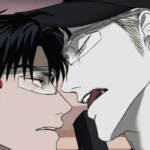
Jake’s interactions with other characters, particularly Shin reveal layers of possessiveness, curiosity, and reluctant attachment. Their connection forms the emotional backbone of the series.
Shin The Vulnerable yet Resilient Protagonist
Shin serves as the narrative’s emotional anchor. Unlike Jake, he enters the story from a position of vulnerability rather than power.
Personality Traits
Shin is characterized by:
- Sensitivity and empathy
- Fear mixed with determination
- Moral awareness in a corrupt world
- Gradual emotional growth
He reacts realistically to danger, making him highly relatable. His survival instincts evolve as he navigates increasingly perilous situations.
Role in the Story
Shin’s presence disrupts Jake’s controlled environment. He forces emotional responses that Jake typically suppresses, creating tension and transformation.
Key thematic functions include:
- Humanizing the darker elements of the plot
- Representing innocence confronting brutality
- Acting as the catalyst for character development
Emotional Arc
Shin’s journey moves from fear to cautious strength. Rather than becoming hardened, he develops resilience while retaining compassion, a contrast to the hardened criminals around him.
Supporting Shutline Characters
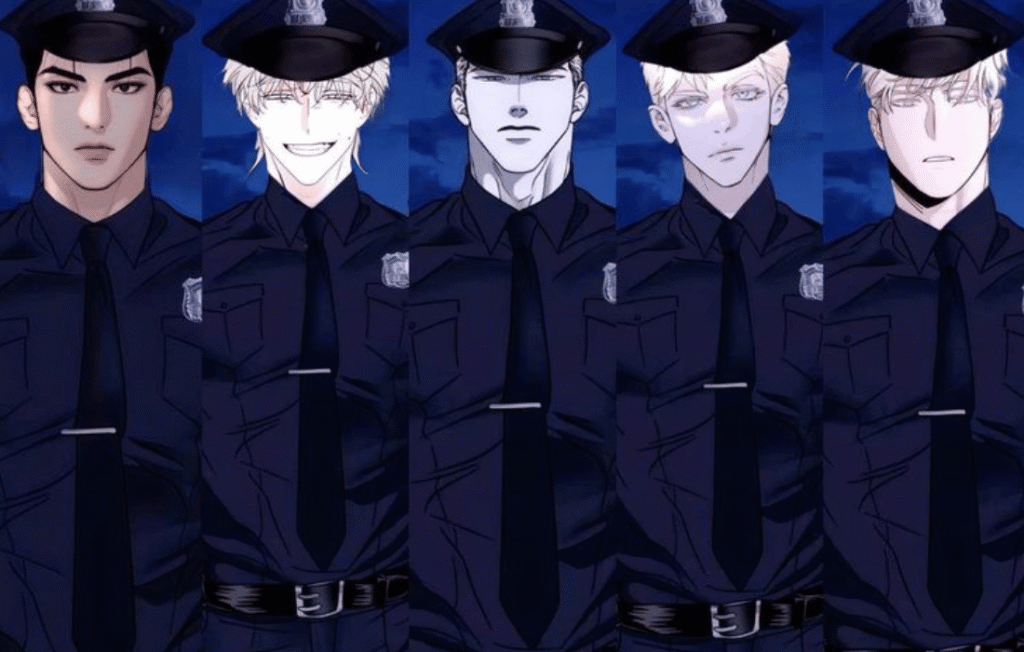
While Jake and Shin lead the narrative, supporting Shutline characters enrich the story by broadening its world and heightening tension.
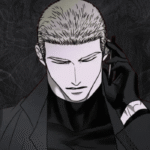
The underworld introduces gang members loyal to power, rival leaders competing for control and informants operating within moral gray zones.
These figures emphasize the instability of trust, the fleeting nature of alliances and the constant danger surrounding the protagonists, adding depth and complexity to the plot.
Authority Figures
Law enforcement and institutional actors appear intermittently, adding tension between legality and criminal reality. However, they rarely function as clear heroes, reflecting the story’s ambiguous moral landscape.
Peripheral Civilian Characters
Occasional civilian characters highlight the contrast between ordinary life and the violent world the protagonists inhabit. Their presence underscores what the main characters have lost or cannot attain.
Character Relationships and Interpersonal Dynamics
Power Imbalance as Narrative Engine
A defining trait of Shutline characters is the imbalance of power, whether physical, emotional or social.
This is seen in dominant versus vulnerable personalities, experienced criminals versus outsiders and emotionally detached individuals versus those guided by empathy.
Such contrasts generate tension that propels the plot and shapes romantic dynamics, creating suspenseful interactions and deepening character development throughout the story.
Trust and Suspicion
Trust is rare in the Shutline universe, with relationships often starting from coercion, manipulation or necessity instead of genuine connection.
Over time, fragile bonds develop through shared danger, emotional vulnerability and gradual mutual dependence, allowing characters to form tentative connections despite the surrounding tension and uncertainty.
Possession Versus Protection
Jake’s behavior toward Shin frequently blurs the line between possessiveness and care. This ambiguity keeps readers uncertain about intentions and outcomes, heightening psychological engagement.
Psychological Depth of Shutline Characters
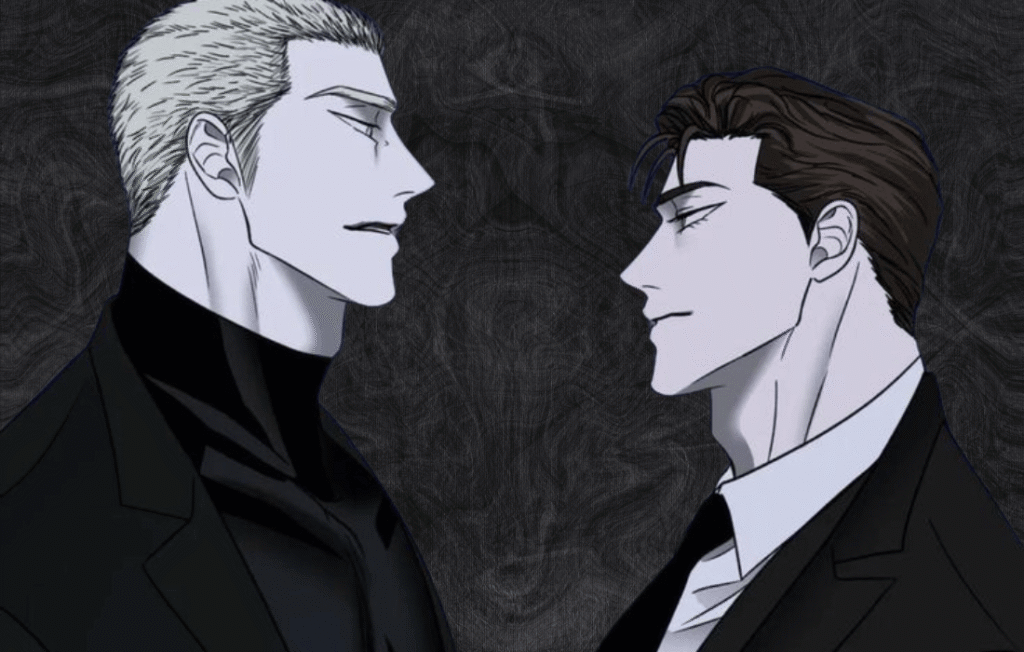
The psychological depth of Shutline characters lies in their realistic responses to trauma, power struggles and emotional repression.
Their morally ambiguous decisions and complex motivations make the story’s tension and relationships compelling and believable.
Trauma as a Motivational Force
Many Shutline characters display behaviors influenced by past trauma, such as hyper-vigilance, difficulty trusting others, emotional repression and aggressive self protection.
These realistic traits provide context, making even their extreme actions believable and adding depth to their psychological portrayal within the story.
Moral Ambiguity
Few characters can be categorized as purely good or evil. Decisions are often driven by survival rather than ideology.
This ambiguity invites readers to question:
- What defines morality in a lawless environment?
- Can violent individuals still be capable of love?
- Is redemption possible without safety?
Character Development Across the Story
Static Versus Dynamic Characters
Not all Shutline characters evolve at the same pace. Dynamic characters, like Shin, experience significant emotional growth, while semi static characters, such as Jake, change subtly, often revealing rather than transforming their core traits.
This balance ensures narrative stability while allowing meaningful character development throughout the story.
Gradual Relationship Progression
Instead of instant romantic development, the story builds connection through incremental shifts:
- Fear or hostility
- Curiosity
- Dependency
- Emotional recognition
- Unstable intimacy
This slow burn approach enhances realism and tension.
Themes Represented Through the Characters
Survival in a Violent World
Characters constantly navigate danger, forcing them to prioritize survival over ethics. This theme permeates every decision and relationship.
Loneliness and Isolation
Powerful figures like Jake are often the most isolated. Their dominance creates distance rather than connection.
The Human Need for Attachment
Despite harsh circumstances, the characters repeatedly seek connection sometimes in unhealthy or destructive ways.
Why Shutline Characters Resonate With Readers
Several factors contribute to the strong fan engagement surrounding the cast:
Emotional Authenticity
Characters react to fear, attraction, and trauma in believable ways, avoiding exaggerated stereotypes.
Complex Romantic Tension
The relationship between the leads combines:
- Psychological intensity
- Power dynamics
- Emotional vulnerability
- Unpredictability
This complexity distinguishes the series from conventional romance narratives.
Dark Yet Intimate Storytelling
By placing deeply human emotions within a brutal environment, the story creates contrast that heightens both danger and tenderness.
Character Archetypes in Shutline
The narrative draws from recognizable archetypes but subverts expectations.
The Dominant Protector
Jake fits the mold of a powerful protector figure but complicates it with morally questionable actions.
The Reluctant Survivor
Shin represents the ordinary person forced into extraordinary circumstances, gradually discovering inner strength.
The Shadow Network
Secondary characters collectively form the “shadow world” that sustains the plot’s tension.
Impact of Shutline Characters on the Story’s Success
The popularity of Shutline is largely attributed to its character driven storytelling. Rather than relying solely on external conflict, the series derives suspense from internal struggles and interpersonal tension.
Key strengths include:
- Distinct personalities that remain memorable
- Emotional stakes that feel personal rather than abstract
- Continuous development that rewards long-term readers
Conclusion
The Shutline characters form a meticulously crafted ensemble that elevates the series beyond a typical crime or romance narrative.
Through complex personalities, morally ambiguous decisions, and emotionally charged relationships, the story explores themes of survival, trauma, power and connection.
Jake Gillian embodies dominance, isolation, and hidden vulnerability, while Shin represents resilience, empathy and transformation.
Supporting characters deepen the world, reinforcing the sense of danger and unpredictability that defines the setting.
Ultimately, the enduring appeal of Shutline lies in its ability to portray flawed individuals seeking meaning and attachment in a harsh environment.
The characters are not idealized heroes, they are survivors, making their journeys both unsettling and deeply compelling.
FAQs About Shutline Characters
Who are the main characters in Shutline?
The primary characters are Jake Gillian and Shin, whose intense relationship drives the plot and emotional development of the story.
Is Jake Gillian a villain or hero?
Jake is an anti-hero. He operates in the criminal world and makes morally ambiguous choices but shows protective instincts and emotional depth.
What role does Shin play in Shutline?
Shin serves as the emotional protagonist, offering a perspective of vulnerability and growth within the dangerous environment.
Are Shutline characters morally good or bad?
Most characters exist in moral gray areas, prioritizing survival and personal motives over clear ethical standards.
Does the story focus more on action or character development?
While action is present, the narrative primarily emphasizes psychological tension and relationship dynamics.
Do supporting characters significantly impact the plot?
Yes. Allies, rivals and authority figures shape conflicts, reveal backstories and influence the protagonists’ decisions.
Why are the characters considered psychologically complex?
Their behaviors stem from trauma, power struggles and emotional repression, making their actions nuanced and believable.
Is the relationship between the leads central to the story?
Absolutely. The evolving connection between Jake and Shin forms the emotional core of Shutline.








[…] interactions often reveal the ambitions, weaknesses, or strengths of other shutline characters. By challenging them, Jake encourages growth, conflict, and dramatic tension, keeping readers […]