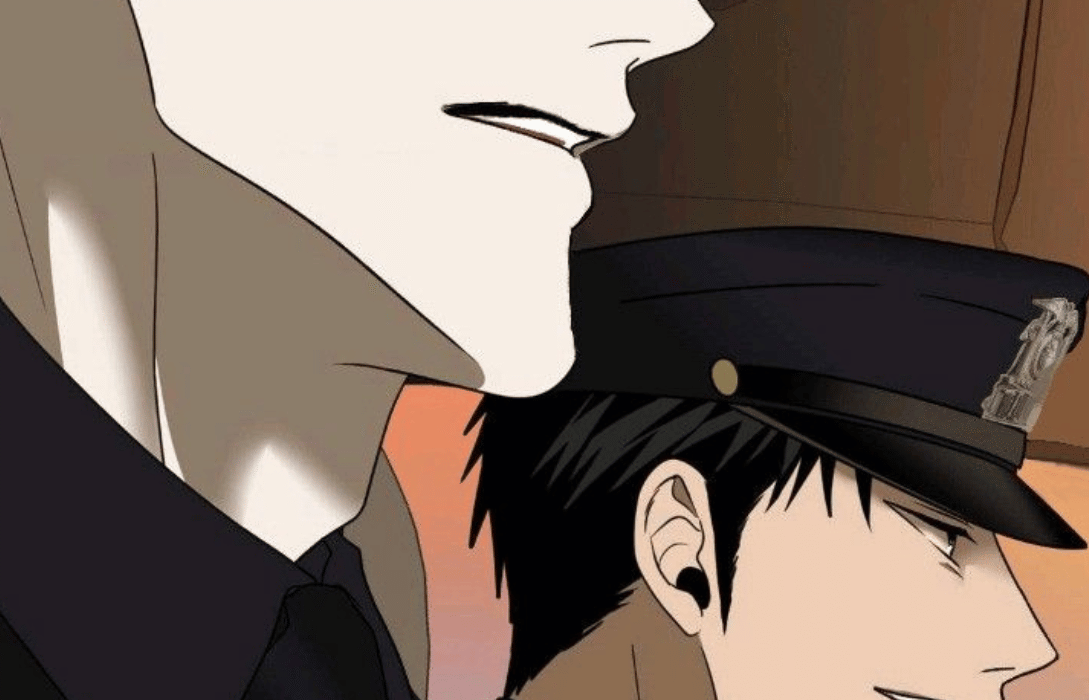
Shutline Chapter 103 marks a pivotal moment in the narrative progression of the Shutline manhwa, emphasizing emotional intensity, psychological depth and evolving character dynamics.
Unlike action driven chapters, this installment focuses on internal conflict, relationship tension and subtle storytelling that shapes future developments.
For readers following the series, Chapter 103 is essential not because of dramatic events, but due to its role in deepening the connection between central characters and setting up critical turning points.
This comprehensive guide explores the full story, themes, character development, and significance of Shutline Chapter 103 in a structured and easy-to-understand format.
Shutline Chapter 103 Full Story Breakdown
Opening Scene – Quiet Tension and Emotional Distance
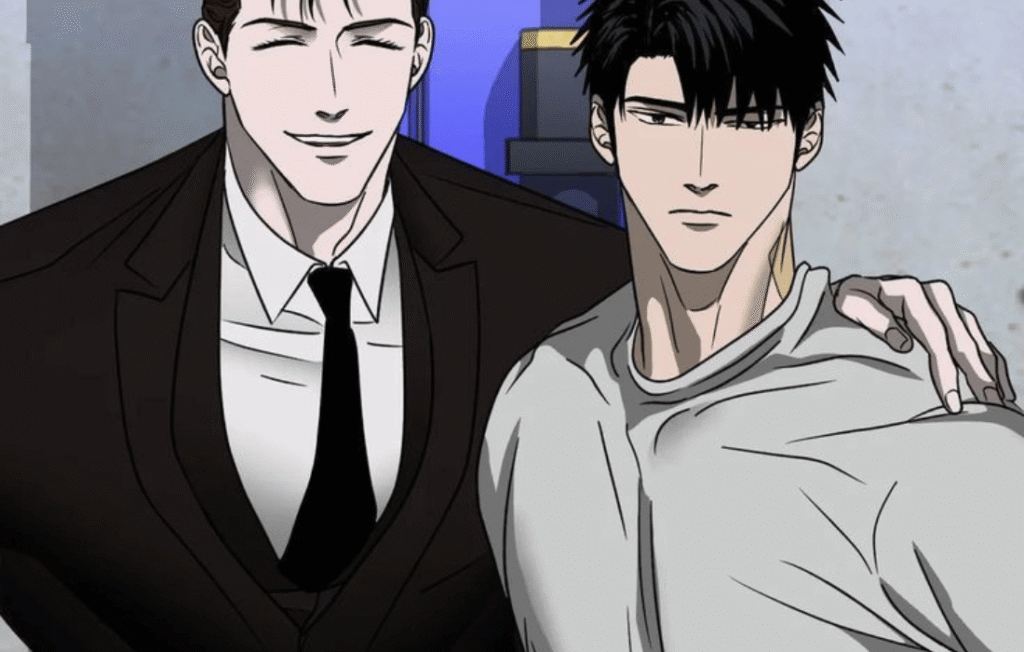
Shutline Chapter 103 opens with a subdued yet emotionally charged atmosphere, where the characters are physically close but feel distant on a deeper level.
The silence between them carries weight, filled with hesitation, unresolved thoughts and unspoken tension.
Rather than relying on action, the chapter emphasizes internal narration and emotional realism, allowing subtle expressions and pauses to convey meaning.
This restrained storytelling approach highlights the psychological complexity of the characters and sets a reflective tone for the entire chapter.
Character Interaction – Indirect Communication
As the chapter progresses, dialogue emerges in a layered and indirect manner, avoiding clear or straightforward expression.
The characters refrain from direct confessions, instead testing each other emotionally through carefully chosen words that often carry hidden meanings.
This nuanced communication style reflects a defining trait of Shutline, where conversations are complex and rarely transparent.
Each line of dialogue adds to the underlying tension, gradually revealing the characters’ deeper emotional states and unspoken intentions.
Character Development in Shutline Chapter 103
Shin’s Internal Conflict
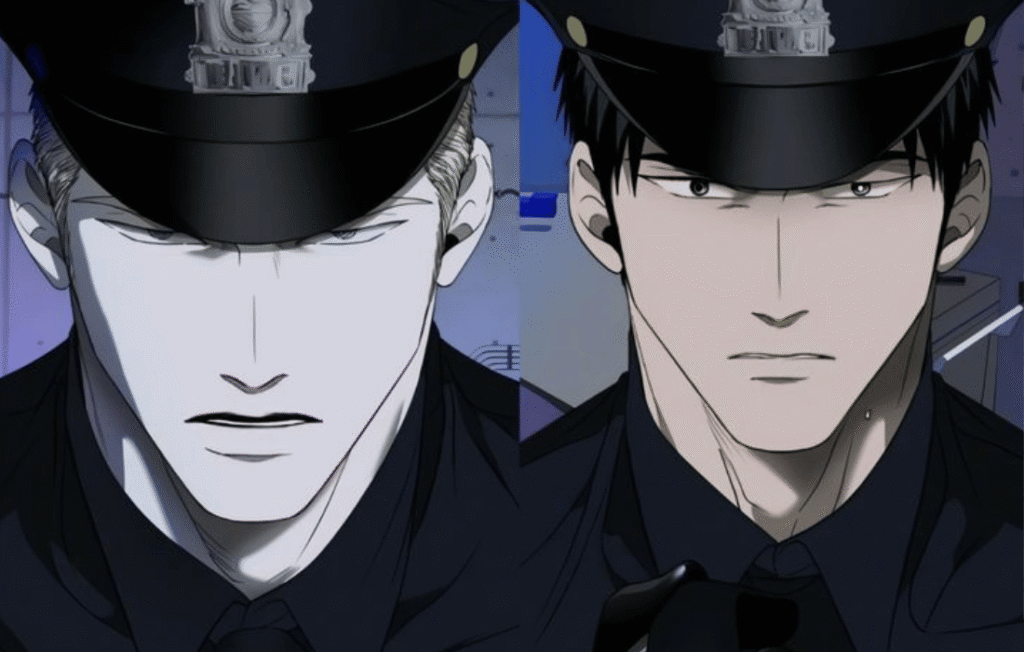
One of the most significant elements of Shutline Chapter 103 is Shin’s psychological struggle, which adds depth and realism to his character.
He experiences confusion about his emotions, a strong fear of becoming emotionally vulnerable and a growing sense of attachment that he cannot easily ignore.
Throughout the chapter, Shin is torn between opposing forces of trust and doubt, attraction and fear, independence and emotional reliance creating an intense internal conflict that shapes his actions and decisions.
This internal conflict adds significant depth to his character and makes his decisions more meaningful for future chapters.
Jake’s Dual Nature Control and Care
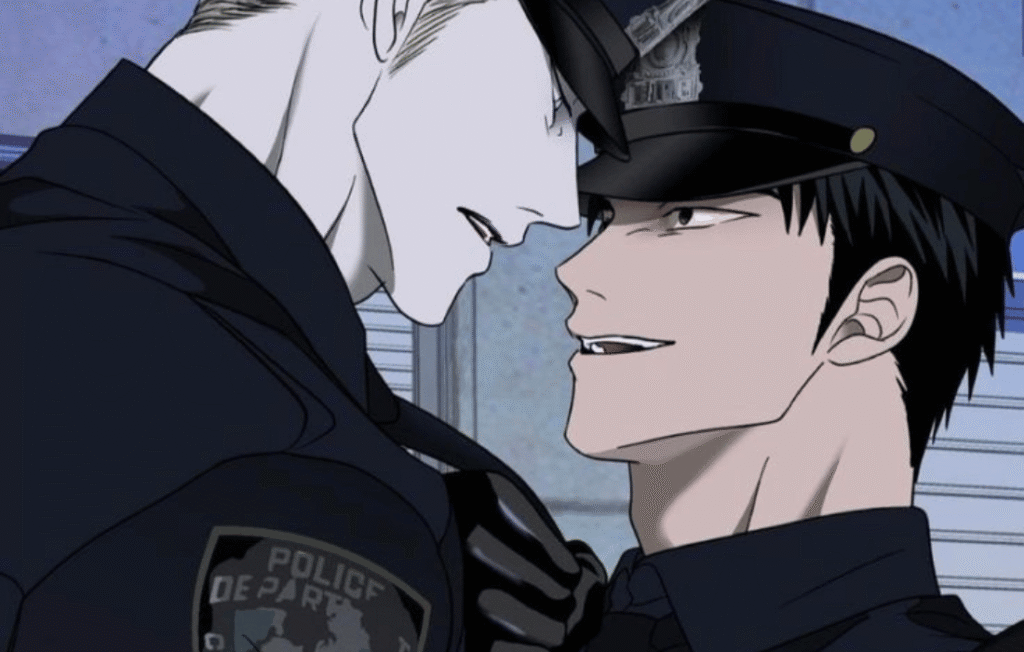
Jake continues to exhibit a complex and layered personality in Shutline Chapter 103. On the surface, he remains dominant, composed and firmly in control, but beneath that exterior, subtle signs of care and emotional investment begin to surface.
Throughout the chapter, he maintains authority in conversations while also showing restraint in key moments, hinting at a more thoughtful and measured side.
At times, he reveals a softer, less guarded demeanor, adding depth to his character. This duality is essential, as it prevents him from feeling one-dimensional and creates a sense of ambiguity, leaving readers questioning his true intentions and emotional depth.
Core Themes in Shutline Chapter 103
Power and Vulnerability
A central theme in Shutline Chapter 103 is the delicate balance between power and vulnerability, which shapes the interaction between the characters.
Jake embodies control and dominance, maintaining a strong and authoritative presence, while Shin represents resistance and emotional fragility.
However, this dynamic is not static; subtle shifts occur throughout the chapter, with Shin occasionally asserting his emotional independence and Jake momentarily lowering his guard.
This constant push-and-pull between strength and vulnerability fuels the emotional tension, making their relationship more complex and engaging.
Emotional Dependence
Another key theme in Shutline Chapter 103 is the gradual emergence of emotional dependence between the characters.
Even without explicit dialogue, their behavior begins to reflect a growing reliance on one another, with subtle actions hinting at a deeper emotional attachment.
The relationship evolves beyond surface-level interaction, moving into more complex and meaningful territory.
This shift, though understated, is significant, as it suggests that any future conflict will carry stronger emotional weight and more serious consequences.
Silence as Storytelling
Silence plays a powerful and deliberate role throughout Shutline Chapter 103, shaping the emotional tone of the narrative.
Rather than relying on constant dialogue, the chapter uses pauses to build tension, while subtle expressions convey meaning that words often leave unsaid.
Unspoken thoughts become a driving force, guiding the reader through the characters’ inner worlds.
This storytelling technique enhances realism and invites readers to actively interpret emotions, making the experience more immersive and psychologically engaging.
Plot Significance of Shutline Chapter 103
A Transitional Chapter
Shutline Chapter 103 serves as a crucial bridge between major story arcs, connecting past developments with future events.
Although its pace may feel slower compared to more action-driven chapters, it fulfills important functions: establishing emotional groundwork, deepening character relationships and preparing readers for forthcoming conflicts.
Transitional chapters like this are essential in long-form storytelling, as they ensure that subsequent events feel earned, meaningful and impactful, enhancing both narrative cohesion and reader engagement..
Foreshadowing Future Conflict
The chapter subtly foreshadows developments to come, highlighting unresolved emotional tension, a growing dependence between the characters and the potential for conflict arising from miscommunication.
These narrative cues suggest that upcoming chapters will likely feature intense emotional confrontations, put the strength of relationships to the test and further shift the balance of power between the characters, setting the stage for significant turning points in the story.
Why Shutline Chapter 103 Matters
Deep Character Exploration
Unlike action-focused chapters, this installment prioritizes:
- Psychological depth
- Emotional realism
- Character-driven storytelling
Readers gain a better understanding of motivations, fears, and internal struggles.
Strengthening the Narrative
By focusing on subtle development, Shutline Chapter 103 strengthens the overall story:
- It adds layers to relationships
- Enhances emotional investment
- Builds anticipation for future chapters
H2: Reader Engagement
The unresolved ending keeps readers engaged:
- Questions remain unanswered
- Emotional tension lingers
- Curiosity about the next chapter increases
This is a deliberate narrative strategy to maintain interest and momentum.
H1: Ending Explained Unresolved but Impactful
The conclusion of Shutline Chapter 103 does not provide closure. Instead, it leaves readers with:
- Emotional ambiguity
- Heightened tension
- Anticipation for what comes next
This type of ending is effective because:
- It reflects real-life emotional complexity
- It avoids predictable storytelling
- It encourages deeper reader interpretation
Final Analysis of Shutline Chapter 103
In summary, Shutline Chapter 103 is a character-driven chapter that prioritizes emotional and psychological storytelling over action.
It explores the evolving relationship between the main characters, highlighting themes of control, vulnerability and emotional dependence.
The chapter’s strength lies in its subtlety:
- Meaningful silence
- Layered dialogue
- Internal conflict
Rather than delivering immediate payoff, it carefully builds tension and prepares the foundation for future developments.
For readers invested in the series, this chapter is essential for understanding the direction of the story and the depth of its characters.
Conclusion
Shutline Chapter 103 stands out as a crucial transitional chapter that deepens character relationships and amplifies emotional stakes.
Through quiet tension, indirect communication and psychological exploration, it delivers a powerful narrative without relying on action.
Its focus on internal conflict and evolving dynamics makes it a key moment in the series, setting the stage for future confrontations and developments.
For anyone following Shutline, Chapter 103 is not just important, it is foundational to understanding what comes next.
FAQs
What happens in Shutline Chapter 103?
Shutline Chapter 103 focuses on emotional tension and character development, highlighting the complex relationship between Shin and Jake.
Is Shutline Chapter 103 action-packed?
No, it is more focused on psychological depth and emotional interaction rather than action.
Why is Shutline Chapter 103 important?
It builds character relationships and sets up future conflicts, making it a key transitional chapter.
What themes are explored in Shutline Chapter 103?
Major themes include power vs. vulnerability, emotional dependence and internal conflict.
Does Shutline Chapter 103 have a clear ending?
No, it ends with unresolved tension to build anticipation for the next chapter.
How does Shin develop in Chapter 103?
Shin experiences significant internal conflict, showing growth in emotional awareness and vulnerability.
What role does Jake play in this chapter?
Jake maintains control but reveals subtle emotional depth, adding complexity to his character.
Is Shutline Chapter 103 necessary to read?
Yes, it is essential for understanding character dynamics and future story developments.