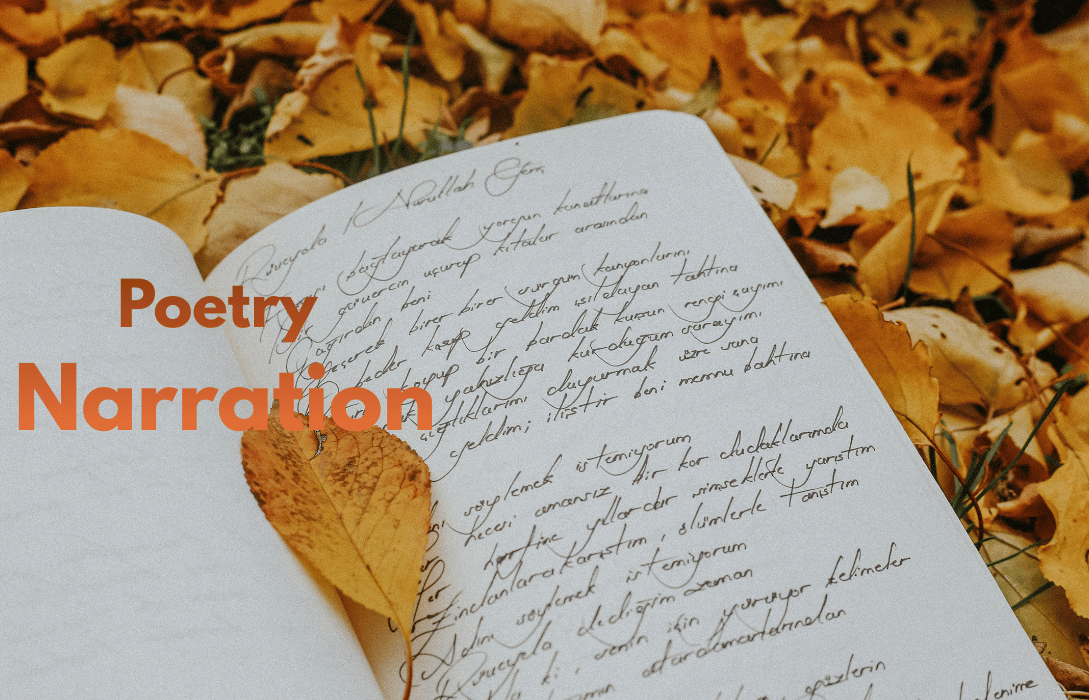
Poetry narration is the art of vocalizing poetry with clarity, emotion, and rhythm. Unlike casual reading, it transforms written words into a vivid auditory experience, allowing listeners to feel the depth, imagery and nuance of a poem.
Mastering poetry requires a balance of technical skill, interpretative understanding, and emotional intelligence. For writers, performers and educators, effective narration brings poetry off the page, creating memorable and impactful experiences.
Whether used in classrooms, spoken-word performances, audiobooks or digital content, it enhances engagement and deepens comprehension.
In this guide, we will explore techniques, benefits and best practices to help you become a confident and skilled narrator.
The Importance of Poetry Narration
Poetry narration plays a vital role in bringing poems to life. It enhances emotional impact by conveying the poet’s intended feelings, improving comprehension through tone and pacing and preserving rhythm and flow by highlighting meter and rhyme.
Effective narration also engages audiences, making poems memorable in readings, podcasts or classrooms.
Understanding these purposes allows narrators to approach poetry with respect and creativity, ensuring the poet’s voice resonates authentically.
Key Techniques for Effective Poetry Narration
Understanding the Poem
Before narrating a poem, it is essential to analyze its theme and mood to grasp the central message and emotional tone.
Examine the structure and form, including rhyme schemes, line breaks and stanza patterns. Pay close attention to word choice and imagery, understanding metaphors and symbolism.
This deep comprehension ensures your narration faithfully conveys the poet’s intended meaning.
Voice Modulation and Tone
Your voice is the most important tool in poetry narration. Effective modulation involves varying pitch to express different emotions and adjusting pacing to reflect reflection or excitement.
Controlling volume conveys power or intimacy, while using pauses strategically creates suspense or emphasizes meaning.Regular practice helps narrators naturally master tone, rhythm and expressive delivery.
Emphasis on Pronunciation and Clarity
Clear articulation ensures listeners understand every word. This includes practicing difficult or archaic terms, avoiding a monotone delivery, and carefully enunciating line and stanza endings to maintain rhythm.
Maintaining clarity in narration is essential for keeping the audience engaged and effectively conveying the poem’s meaning.
Expressive Gestures and Body Language
While voice is central to poetry narration, physical presence significantly enhances the performance.
Eye contact helps establish a connection with the audience, hand gestures emphasize imagery or key phrases and facial expressions reflect the poem’s emotional tone.
Even subtle movements contribute to engagement, making live readings more dynamic and helping listeners connect deeply with the poem.
Common Challenges in Poetry Narration
Misinterpreting the Poem
Misunderstanding metaphors or irony can lead to inappropriate tone. Always analyze context and consult multiple interpretations when needed.
Overacting
While emotion is critical, exaggeration can distract from the poem’s subtlety. Aim for balance expressive yet authentic.
Inconsistent Rhythm
Ignoring meter or cadence can disrupt the poem’s flow. Practice aloud multiple times to internalize the rhythm.
Nervousness or Stage Anxiety
Even experienced narrators can feel anxious. Techniques like deep breathing, visualization, and rehearsal reduce nervousness, ensuring a confident delivery.
Tools and Resources for Poetry Narration
Tools and resources for narration include audio recording software, online tutorials, workshops and poetry communities, all of which help improve voice modulation, pacing, clarity and overall performance skills.
Audio Recording Software
Digital tools enhance poetry narration by enabling recording and editing. Audacity offers free basic features, while Adobe Audition provides professional-quality audio.
Playback allows narrators to assess tone, pacing, and clarity, improving performance and overall delivery.
Online Tutorials and Workshops
Websites and platforms offer valuable guidance for poetry, including YouTube tutorials, online courses in public speaking and voice modulation and poetry reading workshops, providing practical experience to enhance narration skills and performance confidence.
Poetry Communities
Engaging with communities strengthens poetry skills. Participating in open mics or poetry slams, joining online forums or social media groups for feedback and interacting with other narrators and poets all enhance understanding, technique, and overall performance.
Benefits of Mastering Poetry Narration
- Enhanced Communication Skills – Narration strengthens clarity, articulation, and expressiveness.
- Deeper Literary Appreciation – Understanding how words sound increases awareness of rhythm, structure, and nuance.
- Career Opportunities – Skills apply to audiobook narration, public speaking, teaching, and performing arts.
- Personal Growth – Narrating poetry fosters empathy, patience, and emotional intelligence.
Investing time in narration techniques yields lifelong benefits for both professional and personal development.
Practical Tips for Beginners
Beginners in poetry narration should start simple by choosing short, clear poems before attempting more complex works.
Recording yourself and listening to playback helps identify areas for improvement, while daily practice of 10 to 15 minutes builds fluency and confidence.
Seeking feedback from peers or mentors provides constructive critique, and experimenting with different tones, speeds and emotions helps discover a natural, effective narration style. Structured practice accelerates proficiency.
Conclusion
Poetry narration is both a craft and an art. It bridges the gap between written words and lived experience, allowing audiences to feel the rhythm, emotion and imagery of a poem.
By understanding the poem, employing voice modulation, maintaining clarity, and practicing consistently, narrators can transform poetry into a powerful and immersive experience.
From beginners to seasoned performers, mastering narration enhances literary appreciation, communication skills and emotional expression.
Ultimately, effective poetry narration honors the poet’s intent while captivating the listener’s imagination.
FAQs
What is poetry narration?
Poetry narration is the vocal performance of a poem, emphasizing tone, rhythm and emotion to bring the text to life.
Why is poetry narration important?
It enhances comprehension, conveys emotion, preserves rhythm and engages audiences effectively.
How do I improve my poetry narration skills?
Practice regularly, analyze poems deeply, use voice modulation, and seek feedback from peers or mentors.
Can poetry narration be recorded for podcasts or audiobooks?
Yes, narration is widely used in digital media, including podcasts, audiobooks, and online performances.
What are common challenges in poetry narration?
Challenges include misinterpreting the poem, overacting, inconsistent rhythm, and stage anxiety.
Do gestures and body language matter in narration?
Yes, expressive gestures and facial expressions enhance engagement, especially during live readings.
Which tools help with practice?
Audio recording software like Audacity or Adobe Audition, online tutorials, and community workshops are effective.
Is poetry narration suitable for beginners?
Absolutely. Beginners can start with short, simple poems and gradually progress to complex works with practice.