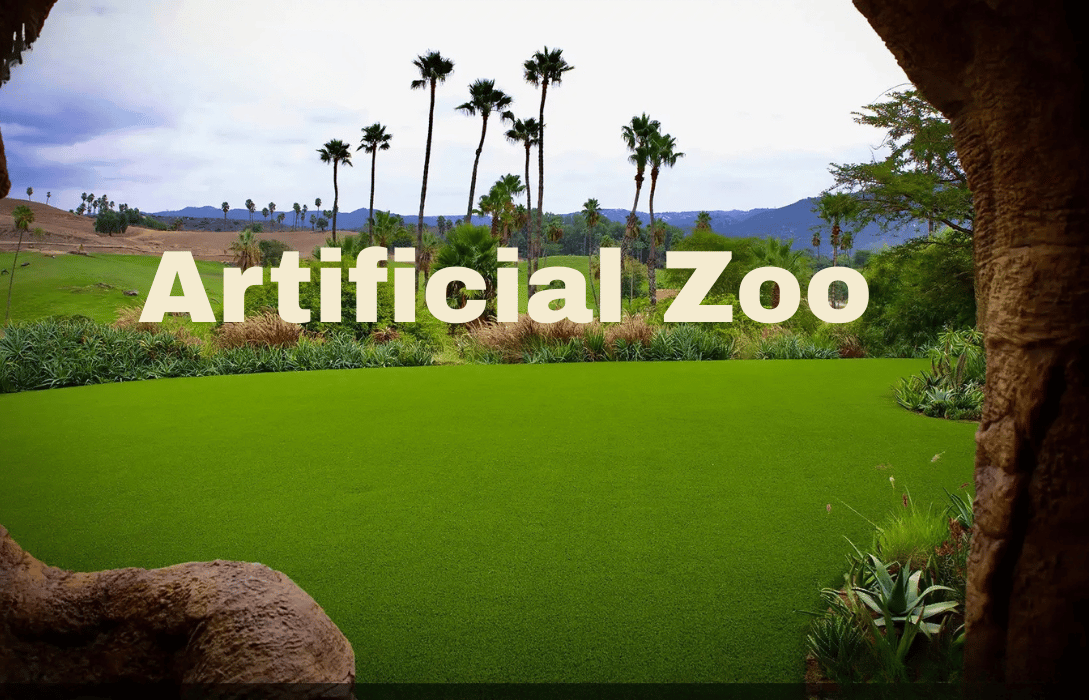
An Artificial Zoo represents a modern, technology-driven approach to experiencing wildlife without relying on physical animal captivity.
Instead of traditional enclosures, artificial zoos use advanced tools such as virtual reality, augmented reality, robotics and digital simulations to recreate realistic animal environments.
This concept is gaining global attention as it aligns with ethical concerns, conservation goals and technological advancement.
With increasing awareness about animal welfare and environmental sustainability, its offer a powerful alternative to conventional zoos.
They not only educate and entertain but also reduce harm to animals while making wildlife accessible to a broader audience.
What Is an Artificial Zoo?
An Artificial Zoo is a digitally created or technologically enhanced environment where animals are represented through simulations rather than being physically present. These experiences can range from simple online 3D models to fully immersive virtual worlds.
Unlike traditional zoos, its eliminate the need for animal captivity while still allowing users to observe animal behavior, explore ecosystems and learn about biodiversity.
Types of Artificial Zoos
Artificial zoos come in different forms, each using unique technologies to replicate wildlife experiences.
Virtual Reality Zoos
VR-based artificial zoos provide immersive experiences where users can explore realistic environments using headsets. These systems simulate jungles, savannas, oceans and more.
A notable example is Google Expeditions, which offers virtual tours of wildlife habitats for educational purposes.
Augmented Reality Zoos
Augmented reality overlays digital animals onto real-world environments through smartphones or AR glasses. This allows users to interact with animals in their own surroundings.
Tools like ARKit are commonly used to develop these experiences.
Online and Digital Zoos
These zoos exist on websites or applications where users can explore interactive maps, view live feeds or interact with animated animals. They are accessible to anyone with an internet connection.
Robotic Zoos
Robotic zoos use advanced robotics and AI to create lifelike animal replicas. These robots mimic real animal movement and behavior, offering a physical yet artificial experience.
How Artificial Zoos Work
Its rely on multiple advanced technologies working together:
3D Modeling and Animation
Animals are recreated using detailed 3D models that replicate their appearance and movement.
Artificial Intelligence
AI systems simulate animal behavior, including hunting, feeding, migration, and social interaction.
Virtual Reality Systems
VR headsets provide a fully immersive experience, allowing users to “walk” through digital ecosystems.
Augmented Reality Integration
AR places digital animals into real-world settings, enhancing engagement and interactivity.
Robotics and Sensors
In robotic zoos, sensors and mechanical systems allow robots to respond to environmental stimuli, mimicking natural behaviors.
Benefits of Artificial Zoos
Its offer several advantages over traditional zoos:
Ethical Treatment of Animals
Artificial zoos eliminate the need to capture or confine wild animals, addressing major ethical concerns.
Conservation Support
They promote awareness about endangered species without disturbing natural habitats.
Global Accessibility
Anyone, anywhere, can experience wildlife without traveling or visiting a physical zoo.
Safe Educational Environment
They provide a risk-free way for students and researchers to study animal behavior.
Environmental Sustainability
Artificial zoos reduce the environmental impact associated with maintaining large physical facilities.
Challenges and Limitations
Despite their advantages, artificial zoos have certain limitations:
Lack of Real Animal Interaction
Users cannot observe unpredictable, natural animal behaviors in real-time.
High Development Costs
Creating realistic simulations requires significant investment in technology and expertise.
Limited Emotional Connection
Some users may feel less emotionally connected compared to real animals.
Technological Barriers
Access requires devices like VR headsets or high-performance systems, which may not be universally available.
Artificial Zoo and Traditional Zoo
| Feature | Artificial Zoo | Traditional Zoo |
| Animal Welfare | No captivity | Animals in enclosures |
| Accessibility | Global and digital | Physical visit required |
| Cost | Technology-based | Infrastructure-heavy |
| Experience | Virtual/Simulated | Real-life observation |
| Conservation Impact | Indirect | Direct involvement |
Artificial zoos are not intended to completely replace traditional zoos but to complement them as part of a broader conservation strategy.
Role in Education and Research
Artificial zoos are transforming how wildlife education and research are conducted:
- Students can explore ecosystems interactively
- Researchers can simulate environments for behavioral studies
- Conservationists can raise awareness without disturbing animals
- Schools can provide immersive learning experiences
This approach aligns with modern educational trends that emphasize experiential and interactive learning.
Future of Artificial Zoos
The future of artificial zoos is closely linked to advancements in technology:
Integration of AI and Machine Learning
Future systems may create highly realistic animal behaviors that adapt dynamically to user interactions.
Improved Immersion
Advancements in VR and AR will make experiences more realistic and engaging.
Holographic Displays
Holograms may replace screens, creating lifelike animal projections in physical spaces.
Global Digital Ecosystems
Entire ecosystems could be recreated digitally, allowing users to explore entire habitats.
Ethical and Environmental Impact
There are often seen as a solution to ethical concerns related to animal captivity. They:
- Reduce stress on animals
- Prevent exploitation of wildlife
- Promote awareness without harm
- Support sustainable tourism alternatives
They also contribute to reducing the carbon footprint associated with traditional zoos and wildlife parks.
Conclusion
An Artificial Zoo represents a significant step forward in the way humans interact with and learn about wildlife.
By combining virtual reality, augmented reality, AI and robotics, Its offer an ethical, accessible and innovative alternative to traditional zoos.
They provide immersive educational experiences while supporting conservation efforts and reducing harm to animals.
While they cannot fully replicate the experience of observing real animals in their natural habitats, artificial zoos play a crucial complementary role in modern education and wildlife preservation.
As technology continues to evolve, Its are likely to become more realistic, interactive and widely adopted, shaping the future of wildlife experience for generations to come.
FAQs
What is an artificial zoo?
An artificial zoo is a digital or technology-based environment that simulates animals and habitats without using real animals.
How does zoo work?
It uses technologies like VR, AR, AI and 3D modeling to recreate realistic animal environments and behaviors.
Is an artificial zoo better than a traditional zoo?
It depends on the purpose. They are better for ethics and accessibility, while traditional zoos offer real animal interaction.
Can its replace real zoos?
Not entirely. They are designed to complement traditional zoos, not fully replace them.
What technology is used in artificial zoos?
Technologies include virtual reality, augmented reality, artificial intelligence, and robotics.
Are artificial zoos safe for animals?
Yes, they do not involve real animals, making them completely safe and ethical.
Who can use an artificial zoo?
Students, researchers, educators and general users can access zoos through digital platforms.
What is the future of artificial zoos?
They are expected to become more immersive with advancements in AI, VR, holography and interactive technologies.