
Gaming has evolved far beyond screens and consoles and few examples illustrate this better than collectible card games.
Among them, the Pokémon Trading Card Game stands as a global phenomenon that blends strategy, nostalgia, art and investment value.
For millions of players and collectors, Pokémon cards are not just game pieces, they are cultural artifacts.
This in-depth guide explores the greatest Pokémon cards ever created, explaining what makes them iconic, valuable and historically significant.
You will learn about rarity factors, legendary releases, grading systems and how these cards shaped the collecting landscape.
What Are the Greatest Pokémon Cards?
The greatest Pokémon cards are those that combine extreme rarity, historical importance, iconic artwork and high market value.
Examples include early promotional releases, first edition holographics, tournament prizes and limited print cards.
These cards are prized not only for gameplay but also as collectible assets with lasting cultural significance.
Why Pokémon Cards Became a Global Gaming Icon
When Pokémon cards launched in the late 1990s, they introduced a hybrid experience: competitive strategy combined with collectible appeal. Players built decks to battle, while collectors sought rare prints and special editions.
Several factors fueled their popularity:
- Accessible rules for beginners
- Continuous new expansions
- Strong connection to the broader Pokémon universe
- Limited and promotional releases
- Social gameplay in tournaments and communities
Over time, certain cards transcended gameplay to become legendary collectibles.
What Defines the Greatest Pokémon Cards?
Not every rare card becomes iconic. The greatest Pokémon cards typically share several defining characteristics.
Rarity and Print Run
Scarcity is one of the primary factors that drive the value of Pokémon cards. Cards produced in extremely limited quantities, particularly promotional releases or tournament prizes, are often the most sought after by collectors.
Key indicators of rarity include first edition stamps, limited event distribution, printing errors, regional exclusivity and discontinued sets.
In some cases, a card issued exclusively for a specific tournament or special event may exist in just a few dozen copies, making it exceptionally rare and highly desirable.
Historical Significance
Some Pokémon cards gain value due to their historical significance, representing important milestones in the franchise’s evolution.
Notable examples include early base set holographics, the very first promotional cards, cards awarded during major tournaments and special anniversary editions.
These releases capture pivotal moments in Pokémon’s global expansion, making them cherished pieces for collectors and fans alike.
Condition and Professional Grading
The condition of a Pokémon card has a significant impact on its value, with a pristine card often worth hundreds or even thousands more than a worn counterpart.
Professional grading companies assess several key factors, including centering, surface quality, corners and edges and any print defects.
Cards that receive near perfect grades are especially coveted by serious collectors and investors, as they combine rarity with top tier preservation.
Artwork and Character Popularity
Visual appeal plays a crucial role in a Pokémon card’s iconic status. Cards showcasing fan-favorite Pokemon or exceptional artwork often become highly prized, even if they are not the rarest.
Popular traits that enhance a card’s appeal include dynamic holographic effects, unique art styles, depictions of legendary Pokémon and special anniversary artwork.
A beautifully illustrated card featuring a beloved character can attain legendary status, sometimes regardless of its overall availability.
Legendary Examples of the Greatest Pokémon Cards

While thousands of cards exist, a few stand out as universally recognized treasures.
Early Base Set Holographics
The original base set of greatest Pokemon cards introduced holographic cards that quickly became emblematic of the franchise’s explosive popularity.
First edition prints from this era are especially revered by collectors, as they symbolize the birth of the trading card phenomenon, evoke nostalgia for early fans and reflect the limited production of the time. These cards continue to serve as foundational pieces in any serious Pokémon collection.
Tournament Prize Cards
Some of the most coveted Pokémon cards were never available for public purchase, as they were awarded exclusively to top players in official competitions.
These prize cards are characterized by extremely limited distribution, often being numbered or personalized, with strong provenance from recognized events.
High demand among elite collectors combined with the rarity of sales means that the supply of these cards on the market remains exceptionally low, making them some of the most prized items in the Pokémon collecting community.
Promotional Event Cards
Promotional Pokémon cards released in connection with movies, store openings or special campaigns often gain significant value over time.
These cards are important because they are distributed through unique channels, feature distinct artwork not found in regular sets, have cultural ties to specific events and carry a strong nostalgia factor.
Due to their variety and historical significance, many collectors choose to focus exclusively on promo cards, making them a key segment of the Pokémon collecting world.
Misprints and Error Cards
Misprints and error cards can transform ordinary Pokémon cards into highly sought after rarities. Common types of errors include missing symbols, incorrect text, color anomalies, off-center printing and wrong card backs.
Since these mistakes are typically corrected quickly during production, the surviving copies are rare and often become prized collectibles among enthusiasts and serious investors.
The Role of Market Demand
Rarity alone does not determine a Pokémon card’s value; demand plays an equally crucial role in establishing which cards become legendary.
Factors that drive demand include the popularity of the Pokémon species, the card’s competitive viability in gameplay, cultural relevance, media exposure and current investment trends.
For instance, when public interest surges often fueled by nostalgia or influencer attention card prices can increase dramatically, even for moderately rare editions.
How Collectors Evaluate Pokémon Card Value
Understanding valuation helps explain why certain cards rank among the greatest Pokémon cards.
Key Evaluation Criteria
Rarity: Limited supply increases desirability
Condition: Mint cards command premium prices
Authenticity: Verified cards reduce fraud risk
Provenance: Documented history adds credibility
Market Trends: Prices fluctuate with demand
Professional grading encapsulates these factors into a standardized score that collectors trust.
Greatest Pokémon Cards for Different Types of Collectors
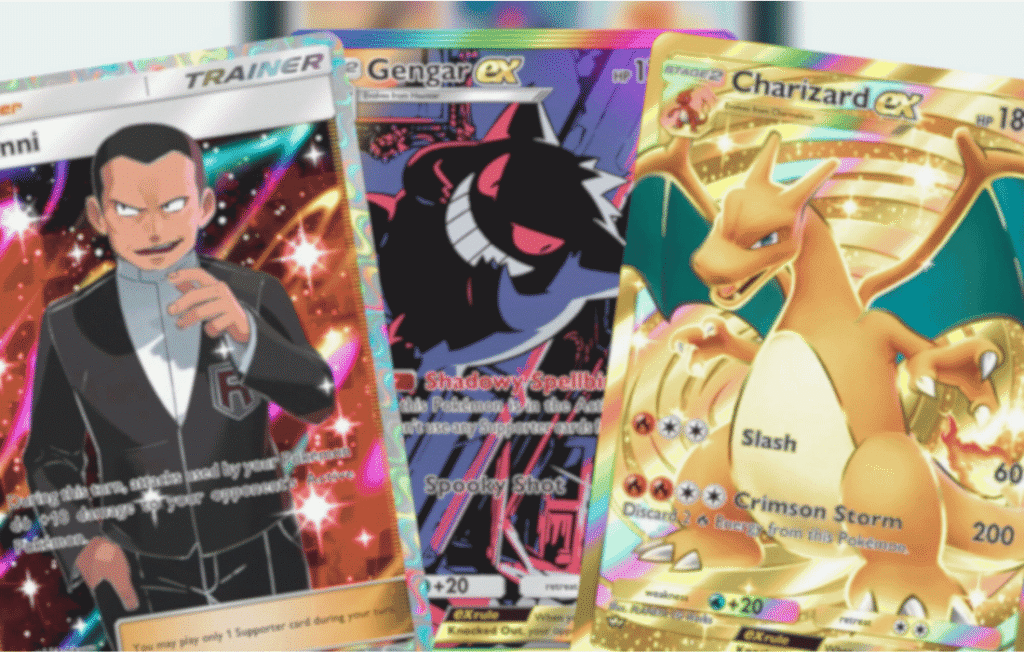
Not all collectors pursue the same goals. The “greatest” card can vary depending on perspective.
For Nostalgia Collectors
Early sets and childhood favorites hold emotional value, even if they are not the rarest.
Common targets:
- Base set cards
- Popular starter Pokémon
- Movie tie-ins
For Competitive Players
Gameplay effectiveness matters more than rarity. Powerful cards that shape tournament metas become iconic within the player community.
For Investors
Investment-focused collectors prioritize scarcity, grading, and long-term appreciation potential.
They often seek:
- Limited promotional releases
- High-grade early prints
- Proven auction performance
Storage and Preservation Tips
Owning valuable cards requires proper care to maintain condition.
Essential Protection Methods
- Acid-free sleeves
- Rigid top loaders
- Climate-controlled storage
- Avoid direct sunlight
- Minimal handling
Even slight wear can significantly reduce value, making preservation crucial.
Are Modern Cards Becoming Future Classics?
Recent expansions continue to introduce visually stunning and mechanically innovative cards. Some modern releases may eventually join the ranks of the greatest Pokémon cards.
Factors that could drive future value:
- Limited print runs
- Unique mechanics
- Special anniversary editions
- Popular new Pokémon
- Competitive impact
However, predicting long-term collectibility remains uncertain due to higher modern production volumes.
FAQs
Why are older cards usually more valuable?
Older cards often had smaller print runs and represented the franchise’s formative years, increasing both rarity and nostalgia appeal.
Do all holographic cards have high value?
No. While holographics are popular, value depends on edition, condition, and scarcity.
Is grading necessary?
Grading is not required but greatly enhances credibility and resale potential for high-value cards.
Can damaged rare cards still be valuable?
Yes, especially if the card is extremely scarce. However, the condition significantly impacts price.
Which is the best Pokémon card of all time?
The best Pokémon card of all time is often considered the Pikachu Illustrator card, prized for its extreme rarity, unique artwork and historical significance as a tournament exclusive prize, making it the ultimate collector’s dream.
What Pokémon card sold for $12 million?
The Pokémon card that sold for $12 million is the Pikachu Illustrator card. This ultra rare card, awarded to winners of a 1998 illustration contest in Japan, is considered the most valuable Pokémon card ever due to its scarcity, unique artwork, and historical significance.
What Pokémon card sold for $16 million?
The Pikachu Illustrator Pokémon card sold for $16.49 million in February 2026. Owned by Logan Paul, it is the rarest card, graded PSA 10, originally a 1998 contest prize, setting a world record for trading cards.
Who is the greatest Pokémon Cards?
The number one Pokémon in the National Pokédex is Bulbasaur, a Grass/Poison starter from Kanto, while Pikachu remains the most popular and iconic Pokémon worldwide.
Cultural Impact Beyond Gaming
Pokémon cards have influenced pop culture, education and even financial markets. They encourage strategic thinking, social interaction and collecting skills.
In recent years, they have also become alternative investment assets, attracting attention from auction houses and serious collectors worldwide.
Conclusion
The greatest Pokémon cards represent more than paper collectibles. They embody decades of gaming history, artistic innovation and community passion.
Whether prized for rarity, nostalgia, competitive power or investment value, these cards continue to fascinate both new fans and veteran collectors.
Understanding what makes a card truly exceptional rarity, condition, historical significance and demand allows enthusiasts to appreciate the depth of the hobby.
As the Pokémon universe continues to expand, new contenders may emerge, but the legends of the past will always remain foundational pillars of collectible gaming.
For anyone exploring this world, the journey of discovering the greatest Pokémon cards is as rewarding as owning them.